The Sino-Tibetan Conflict
From the Thirteenth Dalai Lama in the 1900s to the Fourteenth Dalai Lama’s escape into exile: the invasion, the Seventeen-Point Agreement imposed by force, the military advance from the east to Lhasa, the Cultural Revolution and the Tenth Panchen Lama, and life in exile and under occupation.
བོད་རྒྱའི་དཀའ་རྙོག་བྱུང་རིམ།
Tibet Before 1959
From 1642 until the occupation, Tibet was governed by the Gaden Phodrang, the government of the Dalai Lamas. It was a Buddhist society with its own institutions, laws and foreign relations, neither a Chinese province nor the dark caricature that Chinese state propaganda has painted to justify the invasion.
Government
The Dalai Lama, or a regent while he was young, led the state. The Kashag, a cabinet usually of four ministers, ran government business, and a national assembly, the Tsongdu, brought officials, abbots and representatives together for major decisions. Offices were shared between monk officials and lay officials.
Society
Most Tibetans were farmers or nomadic herders. Much land was held in estates by the government, noble families and monasteries, and many peasants owed taxes and labour to an estate. Like most societies of its time, Tibet had deep inequalities; it also had strong local communities, trade and pilgrimage routes that linked distant regions, and a shared religious life.
Beyond the ‘serfdom’ myth
Beijing has long described old Tibet as a ‘feudal serfdom’ in order to present the invasion as liberation. Tibetan organisations reject this as propaganda. Historians who have studied pre-1959 Tibet in detail describe a complex society that was neither hell on earth nor Shangri-La, and nothing in its past gave another state the right to conquer it.
Monasteries and learning
Monasteries owned land, educated monks in philosophy, medicine and the arts, and carried real political weight. The great monasteries near Lhasa were centres of learning for students from across Tibet, Mongolia and the Himalaya.
An independent state
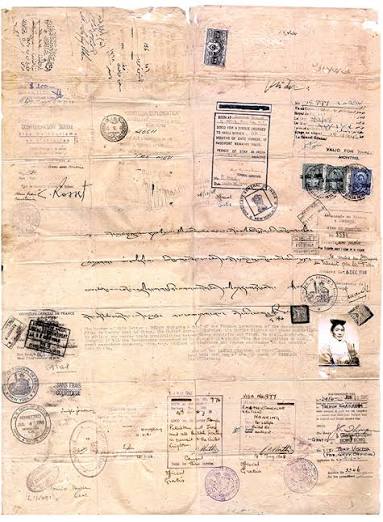
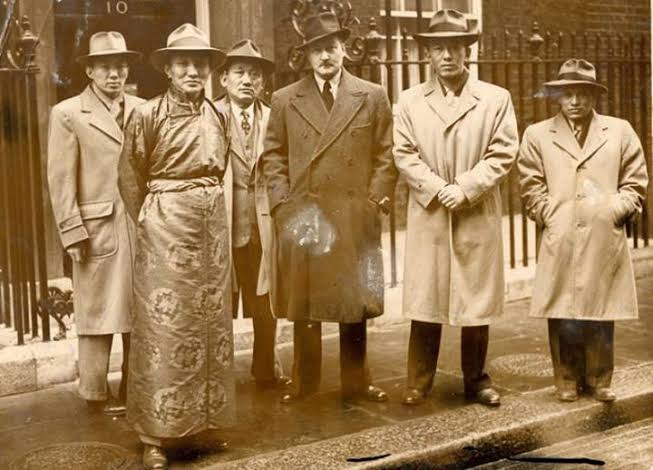
From 1913, with the last Manchu troops expelled, Tibet’s foreign relations were conducted by its own government alone; it signed a treaty with Mongolia in January 1913. It dealt directly with British India, which kept a mission in Lhasa from 1936, and with Nepal; it set up a Foreign Bureau in the 1940s, sent a trade mission abroad on Tibetan passports in 1947–49, and appealed to the United Nations in 1950. China held no authority in Lhasa, and in 1949 the Tibetan government expelled the Chinese mission there.
Modernisation
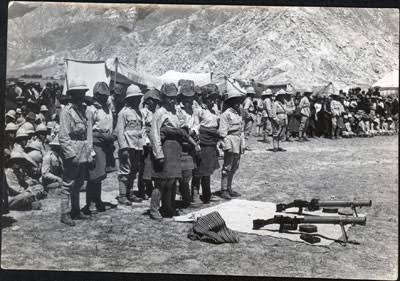
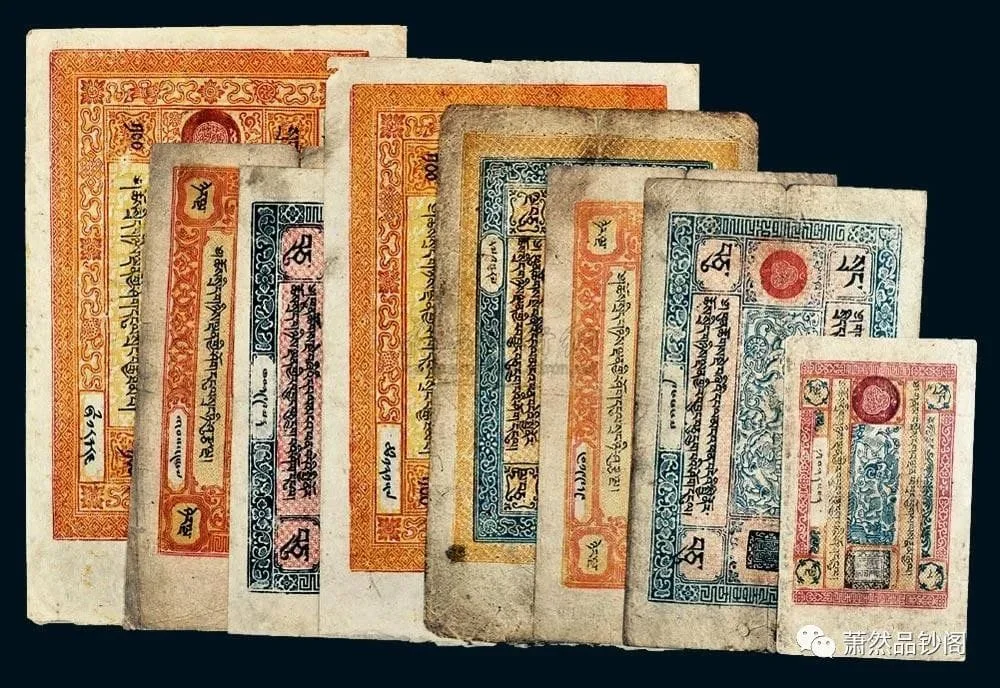
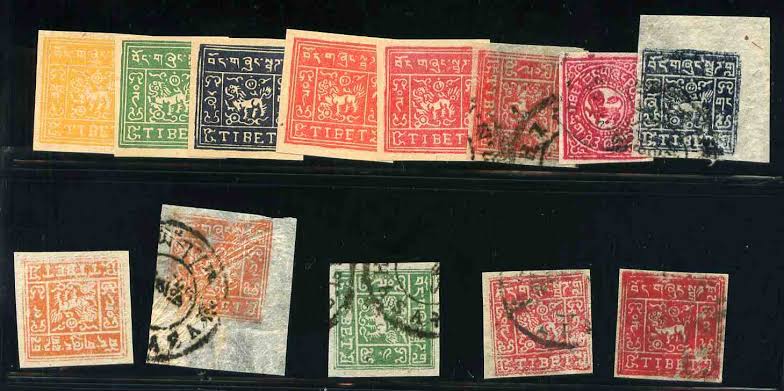
After 1913 the Thirteenth Dalai Lama set about building a modern state: a trained army, a national flag, currency and postage stamps, an English school at Gyantse, and four young Tibetans sent to study in England. Conservative interests slowed many of these reforms, leaving Tibet poorly armed when the invasion came.
Chronology
1903–1904 · The British invasion
A British Indian force under Francis Younghusband invaded Tibet to force trade relations, killing several hundred poorly armed Tibetans at Guru. It reached Lhasa in August 1904, and the Convention of Lhasa was signed with the Tibetan government on 7 September 1904.
1904–1909 · The Thirteenth Dalai Lama’s first exile
As the British force advanced on Lhasa in 1904, the Thirteenth Dalai Lama fled to Mongolia. He travelled on through Amdo and to Beijing, and returned to Lhasa in December 1909, only to flee again within weeks as Manchu troops approached.
1908–1912 · Manchu troops invade and are expelled
In an unprecedented move, Manchu imperial troops invaded Tibet from 1908 and reached Lhasa in 1910; the Thirteenth Dalai Lama fled to British India, where the British gave him refuge. When the Manchu empire fell in 1911, Tibetans expelled its troops and officials, and the Dalai Lama returned home in 1912–13.
1913 · The Thirteenth Dalai Lama’s proclamation
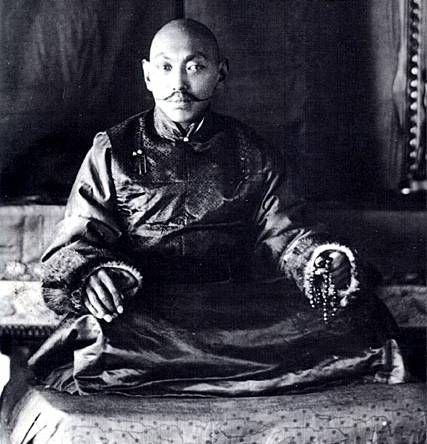
Back in Lhasa in early 1913 (13 February in Tibetan tradition), the Thirteenth Dalai Lama issued a proclamation reaffirming the independence of Tibet and declaring that the old priest–patron relationship with the Manchu emperors had ended.
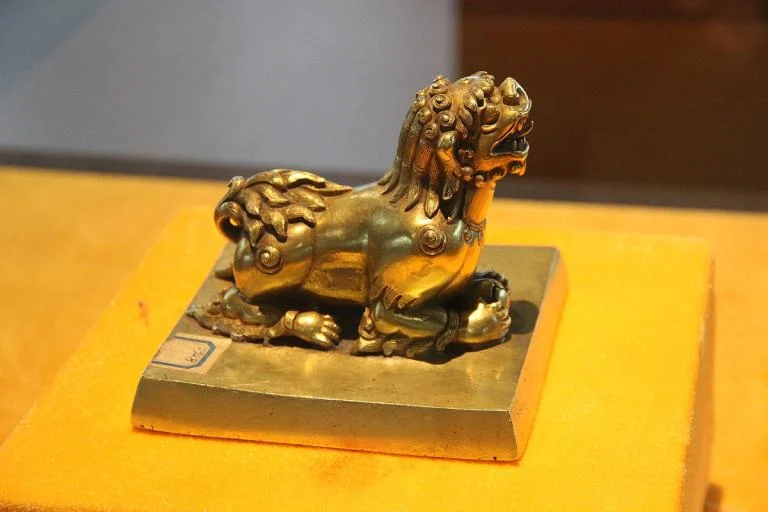
1914 · The Shimla Convention
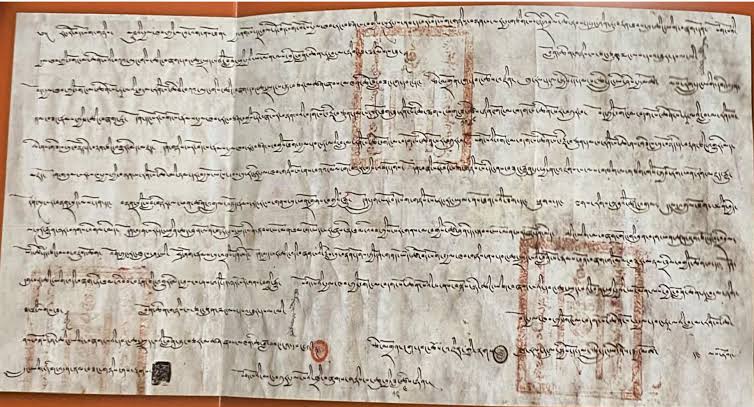
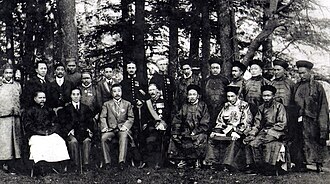
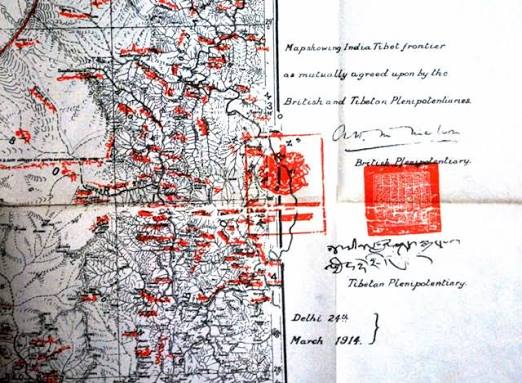
Britain, China and Tibet met at Shimla in 1913–14 as equal parties. When Beijing refused to sign, Britain and Tibet signed the convention bilaterally on 3 July 1914, together with the McMahon Line boundary between Tibet and British India.
1916 · A national flag
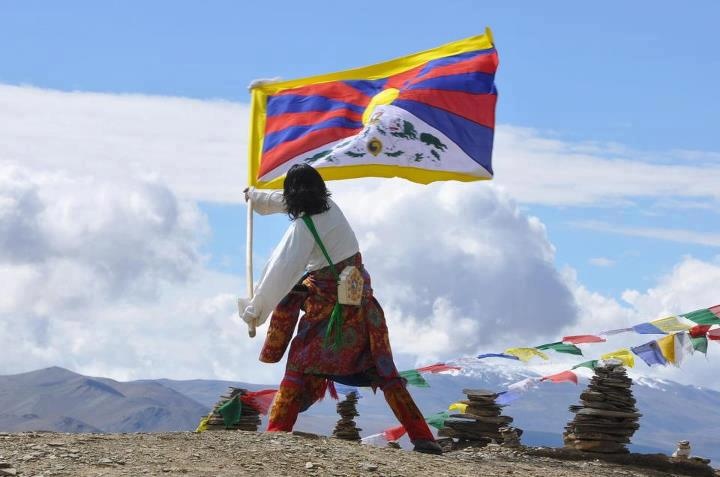
The Thirteenth Dalai Lama introduced the Tibetan national flag, drawing on older military banners; the Tibet Museum dates its design to 1916. It came alongside Tibet’s own currency and postage stamps, part of building a modern nation.
1913–1950 · An independent state
From 1913 to 1950 the Dalai Lama’s government ran Tibet’s internal and foreign affairs free from any outside authority. Tibet had its own army, currency, postal service, courts and taxes, and dealt directly with British India and Nepal. Historians agree that Tibet was independent in fact, and the International Commission of Jurists concluded in 1960 that it was at least a de facto independent state in 1950.
1947–1949 · The Tibetan passport
The Tibetan government sent a trade mission led by Tsepon W. D. Shakabpa to India, China, the United States and Britain. His Tibetan passport, issued by the Kashag on 10 October 1947, carries visas from several countries and is still cited as evidence of Tibet’s standing.
October 1950 · The invasion
In October 1950 the People’s Liberation Army of the newly founded People’s Republic of China invaded eastern Tibet and defeated the small Tibetan army; Chamdo, seat of the governor of eastern Tibet, fell on 19 October. Tibet appealed to the United Nations in November 1950, but the General Assembly put off the question.
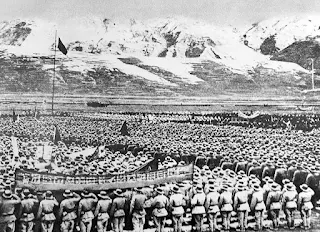
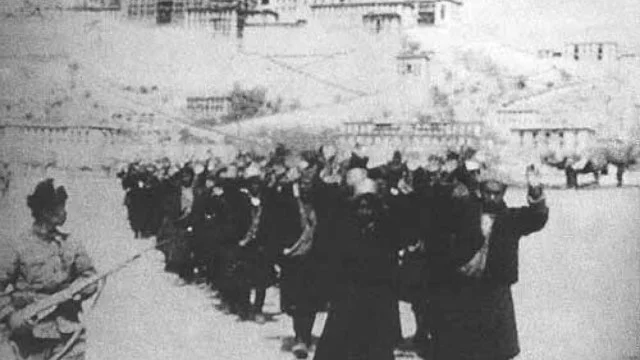
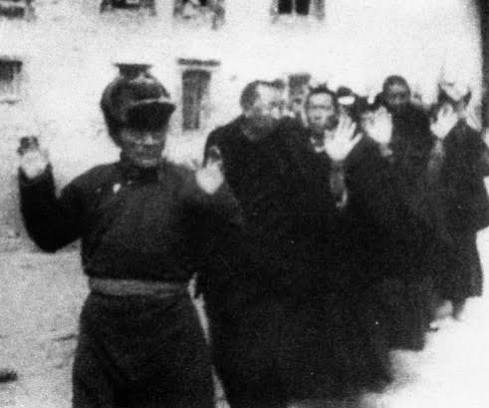
November 1950 – August 1951 · The young Dalai Lama takes power and leaves for Dromo
With the invasion under way, the fifteen-year-old Dalai Lama assumed full political power on 17 November 1950. On 16 December he left Lhasa for Dromo, near the Indian border, where he stayed from January to July 1951 while Tibetan delegates in Beijing were forced to sign the Seventeen-Point Agreement. He returned to Lhasa in August 1951.
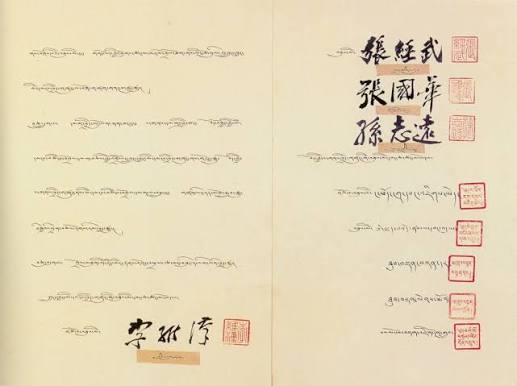
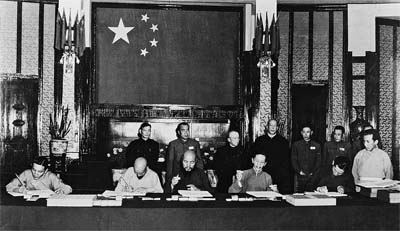
23 May 1951 · An agreement signed under duress
With the army already inside Tibet, Tibetan delegates in Beijing were made to sign the so-called Seventeen-Point Agreement, which asserted Chinese sovereignty over Tibet while promising that Tibet’s political system and the Dalai Lama’s position would not change. The Dalai Lama later said the delegates had no authority to sign and had acted under duress.
9 September 1951 · Chinese troops enter Lhasa
Thousands of People’s Liberation Army troops occupied Lhasa from 9 September 1951. The Central Tibetan Administration describes the occupation that followed as one of destroyed monasteries, suppressed religion, mass arrests and killings.
July 1954 – June 1955 · Journey to China
From July 1954 to June 1955 the Dalai Lama visited China for talks with Mao Zedong, Zhou Enlai and other Chinese leaders, in the hope of protecting Tibet under the occupation. The assurances he was given were not kept: in eastern Tibet the Chinese authorities were already imposing the ‘reforms’ that provoked armed resistance.
1956–1958 · Resistance in Kham and Amdo
Chinese-imposed ‘reforms’, attacks on monasteries and the disarming of communities in Kham and Amdo provoked armed resistance from the mid-1950s. Refugees and fighters moved west towards Lhasa, and the resistance spread into central Tibet.
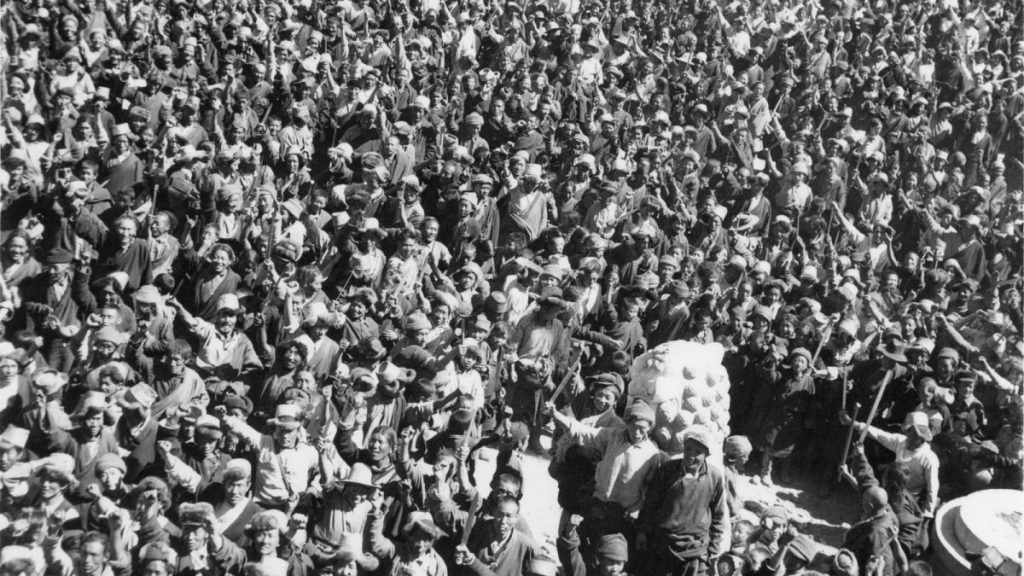
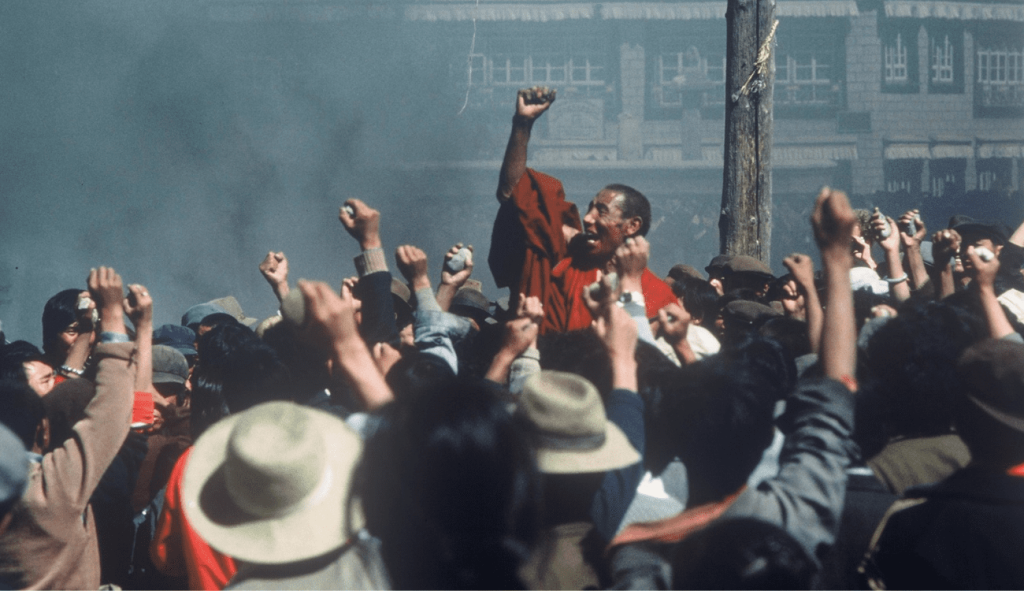
10 March 1959 · The Tibetan National Uprising
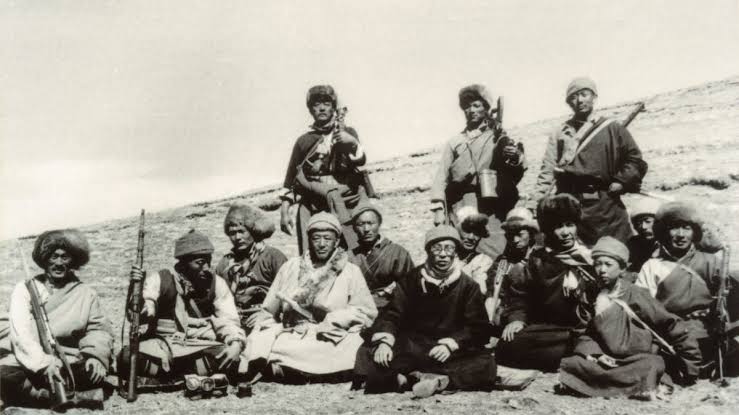
On 10 March 1959 Tibetans in their thousands surrounded the Norbulingka palace to protect the Dalai Lama. Chinese troops crushed the uprising: according to the Central Tibetan Administration, 10,000 to 15,000 Tibetans were killed in Lhasa within three days, and a 1960 report of the PLA’s Tibet Military District, cited by the Central Tibetan Administration, recorded some 87,000 Tibetans killed in central Tibet between March 1959 and September 1960. Tibetans mark 10 March as National Uprising Day.
March–June 1959 · The Dalai Lama goes into exile
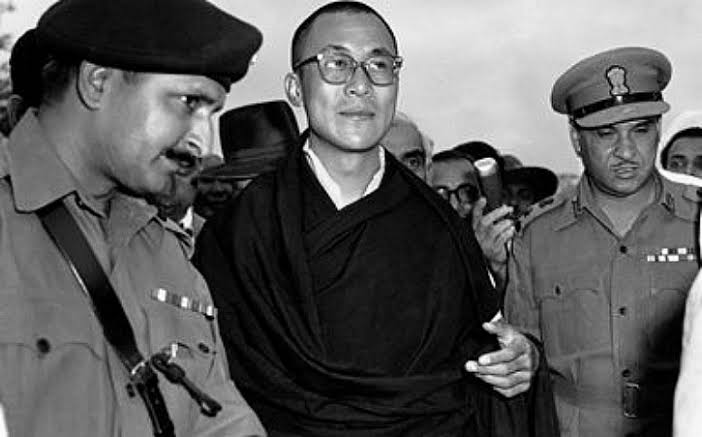
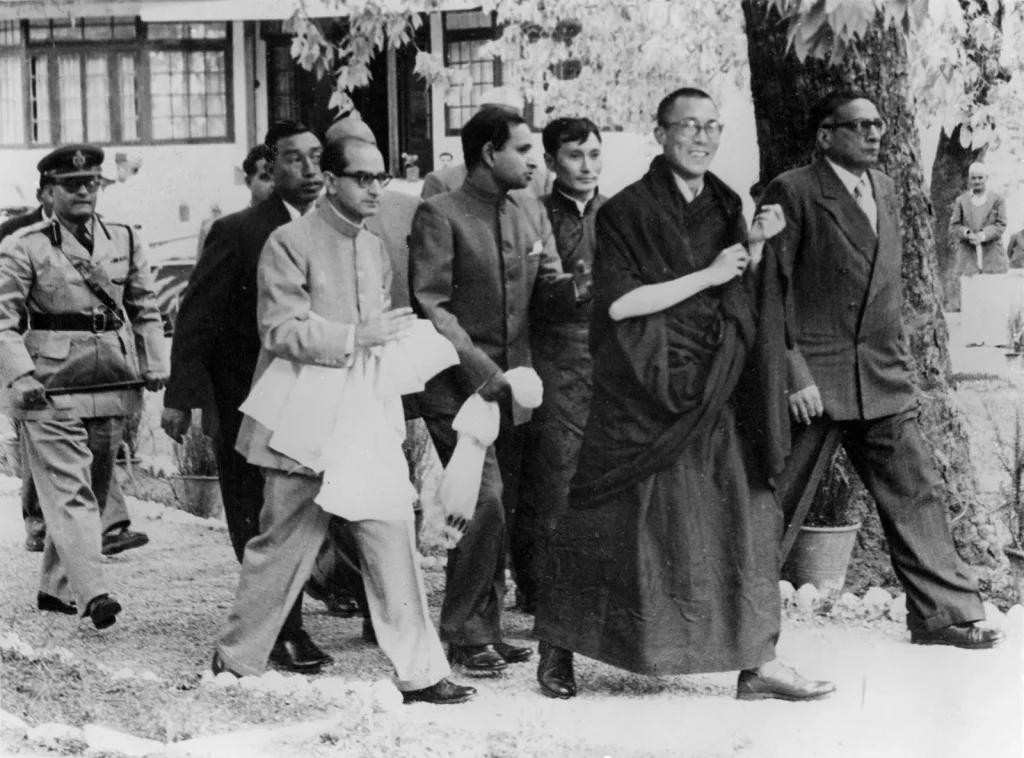
The Dalai Lama left Lhasa secretly on 17 March and reached India on 31 March 1959; according to the Central Tibetan Administration, about 80,000 Tibetans followed him into India, Nepal and Bhutan. On reaching Tezpur on 18 April he repudiated the 1951 agreement as forced on Tibet, and he renounced it again at Mussoorie on 20 June.
1960 · A government in exile
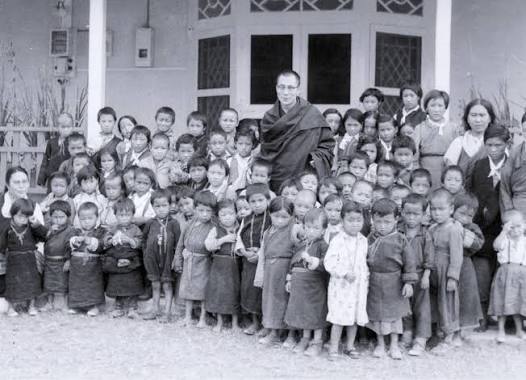
The Dalai Lama re-established his government in exile, which settled in Dharamsala, India, in 1960. In the same year Tibetan Children’s Village began caring for refugee children.
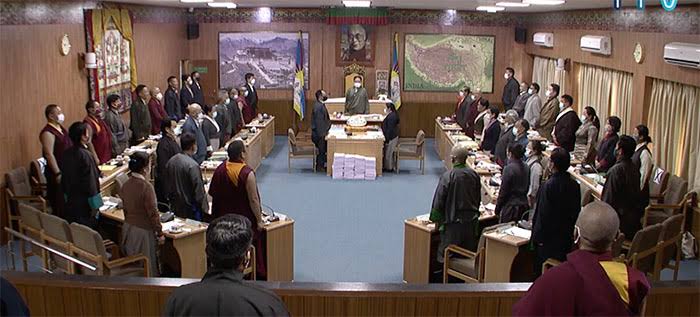
2 September 1960 · Democracy in exile begins
The first elected Tibetan assembly in exile was sworn in, the beginning of Tibetan parliamentary democracy. The date is marked as Tibetan Democracy Day.
1962 · The Panchen Lama’s petition
The Tenth Panchen Lama sent China’s leaders a long report, known as the 70,000-character petition, describing famine and abuses in Tibet. The Chinese leadership denounced him and he spent years in prison, and the text became public only in the 1990s.
1965 · Tibet divided
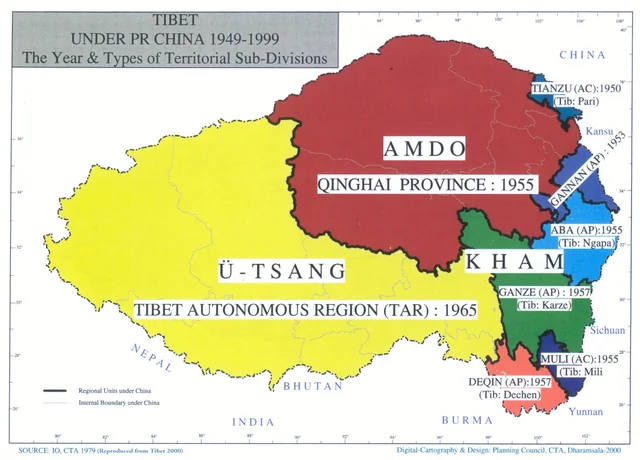
China formally created the so-called Tibet Autonomous Region in 1965, roughly Ü-Tsang and western Kham. Most of Amdo and eastern Kham had already been placed in Qinghai province, created from Tibetan land, and in the neighbouring Chinese provinces of Sichuan, Gansu and Yunnan.
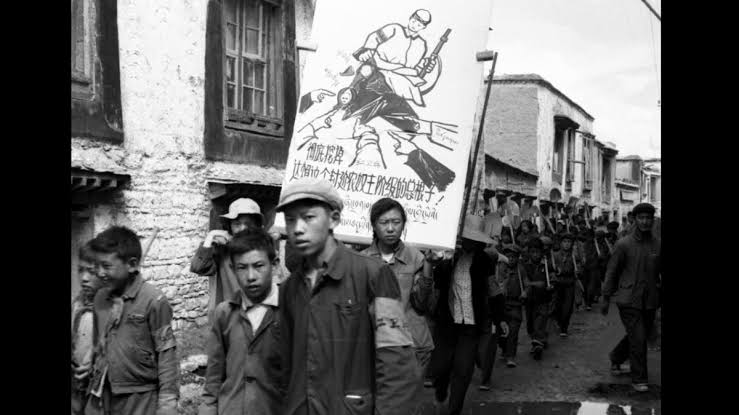
1966–1976 · The Cultural Revolution
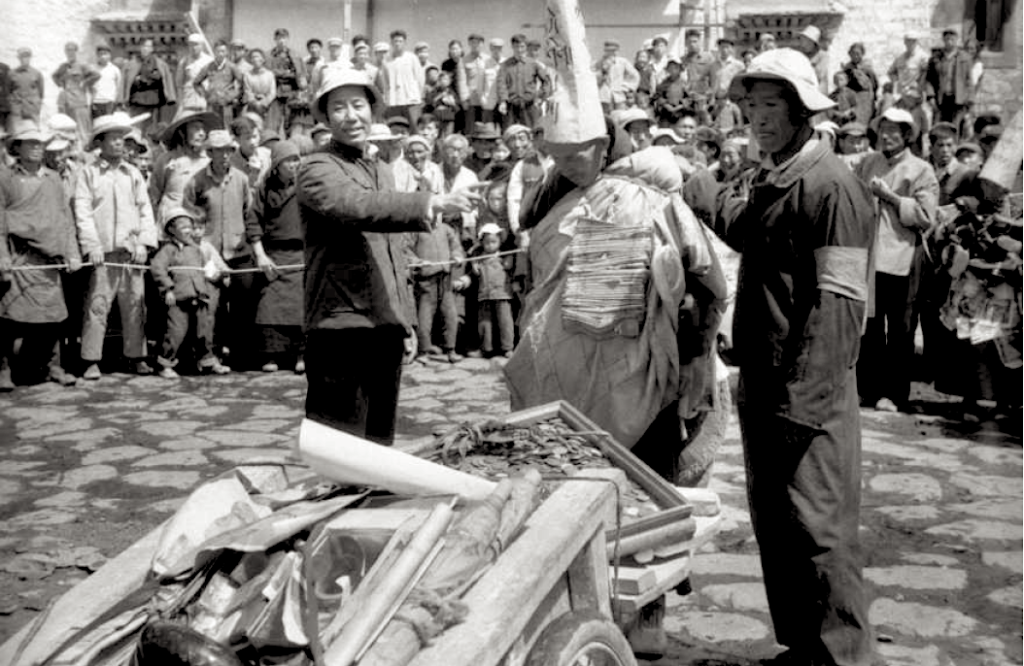
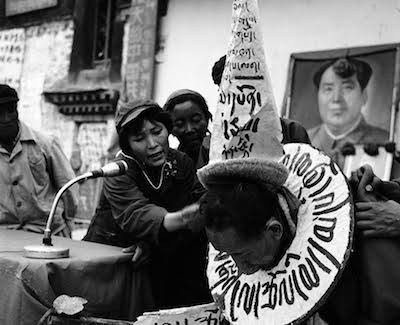
During China’s Cultural Revolution, Chinese authorities and Red Guards attacked Tibetan religion and culture across the plateau: they destroyed monasteries, temples, scriptures and art, and banned religious practice. The Central Tibetan Administration states that more than 6,000 monasteries were destroyed under Chinese rule.
1987–1989 · Lhasa rises again
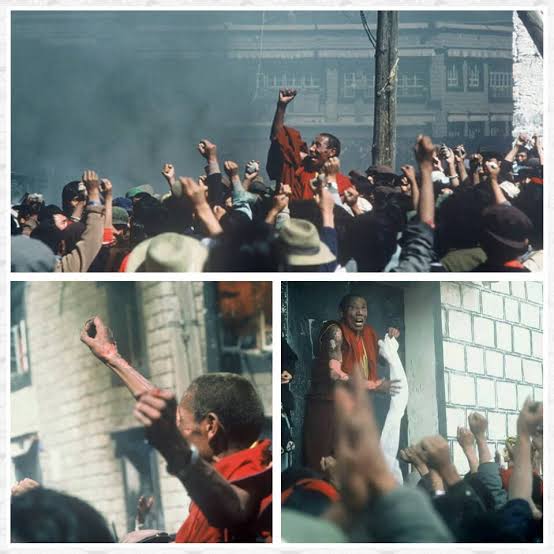
On 27 September 1987 monks from Drepung led a peaceful demonstration for independence in Lhasa, the first of many over the next eighteen months. After protests in March 1989, Beijing imposed martial law on Lhasa from 8 March 1989; it was not lifted until 1 May 1990.
28 January 1989 · Death of the Tenth Panchen Lama
On 24 January 1989, at Tashilhunpo in Shigatse, the Tenth Panchen Lama said that Chinese rule had brought Tibet more destruction than benefit. Four days later, on 28 January, he died suddenly at the monastery, aged 50. Beijing announced a heart attack and held no investigation. He had been the most prominent voice for Tibetans inside Tibet, and his death opened the struggle over his reincarnation that led to the disappearance of the Eleventh Panchen Lama in 1995.
14 June 1991 · Charter of the Tibetans in Exile
The exile parliament adopted a charter separating legislative, executive and judicial powers and guaranteeing equality and fundamental rights.
1995 · The stolen Panchen Lama
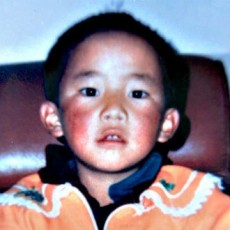
On 14 May 1995 the Dalai Lama recognised six-year-old Gedhun Choekyi Nyima as the Eleventh Panchen Lama. Within days the Chinese authorities took the boy and his family, and he has not been seen in public since. Beijing installed a boy of its own choosing in his place.
Invasion and occupation
In 1949–50 the newly founded People’s Republic of China invaded Tibet, and since 1951 it has held the country under an illegal occupation. V-TAG follows the Central Tibetan Administration and Tibetan organisations in naming it for what it is. The figures below come from the CTA and from Tibetan, international and UN sources, and each is attributed to the body that published it.
The invasion
In October 1950 the People’s Liberation Army crossed into eastern Tibet without provocation and overwhelmed the small Tibetan army at Chamdo. Tibet appealed to the United Nations, but the world looked away.
An agreement imposed by force
In May 1951, with Chinese troops already inside Tibet, Tibetan delegates in Beijing were forced to sign the so-called Seventeen-Point Agreement. It promised that Tibet’s political system and the Dalai Lama’s position would be left untouched; those promises were broken. The Dalai Lama repudiated the agreement in 1959, and the International Commission of Jurists found that China had violated its terms.
Uprising and massacre
Resistance began in Kham and Amdo in the mid-1950s and reached Lhasa on 10 March 1959. According to the Central Tibetan Administration, 10,000 to 15,000 Tibetans were killed in Lhasa in the three days after the uprising was crushed, and a 1960 report of the PLA’s own Tibet Military District recorded about 87,000 Tibetans killed in central Tibet between March 1959 and September 1960.
Twenty years of destruction
According to the Central Tibetan Administration, more than 1.2 million Tibetans died as a direct result of the invasion and occupation between 1949 and 1979, through fighting, execution, imprisonment, torture and famine. The CTA states that more than 6,000 monasteries were destroyed. In 1962 the Tenth Panchen Lama sent China’s leaders a long petition describing famine and abuses in Tibet, and was imprisoned for it.
Tibet’s legal status
Tibet was an independent state when it was invaded. The UN General Assembly called for respect for Tibetans’ fundamental rights in 1959, 1961 and 1965, the 1961 resolution naming their right to self-determination. In 1960 the International Commission of Jurists found that acts of genocide had been committed against Tibetans as a religious group. An occupation built on force and a treaty signed under duress is not lawful sovereignty.
Colonisation and population transfer
Tibetan organisations warn that Chinese migration is turning Tibetans into a minority in their own land: Students for a Free Tibet and other Tibetan organisations state that 7.5 million Chinese now live in Tibet, outnumbering 6 million Tibetans. Mining, dam-building and the relocation of nomads and farmers have followed, reshaping Tibet’s land and economy to serve Beijing.
Repression today
Freedom House rates Tibet among the least free places on Earth. Tibetans are imprisoned for peaceful expression, for keeping a photograph of the Dalai Lama or for teaching their language. UN experts have raised alarm at colonial boarding schools, coercive labour programmes and forced relocation, and a national ‘ethnic unity’ law in force since July 2026 entrenches assimilation. Independent journalists, diplomats and UN investigators are still denied free access.
Resistance continues
Tibetans have never accepted the occupation. From 1959 to the protests of 1987–89 and 2008, and in the self-immolations that began in 2009, they have risked everything to call for freedom and the Dalai Lama’s return. The Central Tibetan Administration seeks genuine autonomy for all of Tibet through the Middle Way Approach, while organisations such as Students for a Free Tibet campaign for full independence, rangzen. All share the same aim: an end to China’s rule by force.
Tibetans died, 1949–1979
1.2 million
According to the Central Tibetan Administration, more than 1.2 million Tibetans died as a direct result of the Chinese invasion and occupation between 1949 and 1979, a figure first documented in the CTA’s 1993 report Tibet: Proving Truth from Facts.
Killed in central Tibet, 1959–1960
87,000
The Central Tibetan Administration cites a 1960 report of the PLA’s Tibet Military District Political Department recording an estimated 87,000 Tibetans killed in central Tibet between March 1959 and September 1960.
Killed in three days, March 1959
10,000–15,000
According to the Central Tibetan Administration, 10,000 to 15,000 Tibetans were killed in Lhasa within three days in the crackdown that followed the 10 March 1959 uprising.
Monasteries destroyed
6,000+
The Central Tibetan Administration states that more than 6,000 monasteries have been destroyed under Chinese rule.
Tibetans killed in the 2008 crackdown
227
The Central Tibetan Administration’s 2010 report on the 2008 uprising estimates that 227 Tibetans died under the crackdown, more than 6,810 were arrested or detained and over a thousand disappeared. It notes that the true numbers are likely to be higher.
Self-immolations inside Tibet
157
The Central Tibetan Administration has recorded 157 self-immolations inside Tibet since February 2009, at least 136 of them fatal. The International Campaign for Tibet counts more than 170 known Tibetan self-immolations in all, including 11 in exile.
Children in colonial boarding schools
1 million
In 2023 UN independent experts said about a million Tibetan children were in a state residential school system that appeared designed to assimilate them.
Documented political prisoners
5,628
The Central Tibetan Administration cites the Tibetan Centre for Human Rights and Democracy’s database, which documents 5,628 known cases of Tibetan political prisoners since 1990.