Tibetans in Exile
Since 1959 Tibetans in exile have built schools, monasteries, cultural institutions and a working democracy, first in India, Nepal and Bhutan and now across Europe, North America and Australia. Their work keeps Tibet’s language, faith and political voice alive while Tibetans inside cannot speak freely.
Tibetans in Exile
Followed the Dalai Lama into exile in 1959 (Central Tibetan Administration)
c. 80,000
Tibetans in exile at the CTA’s 2009 demographic survey
c. 128,000
Tibetan refugees worldwide, as estimated by the CTA
150,000+
Members of the Tibetan Parliament-in-Exile
45
Where Tibetans live
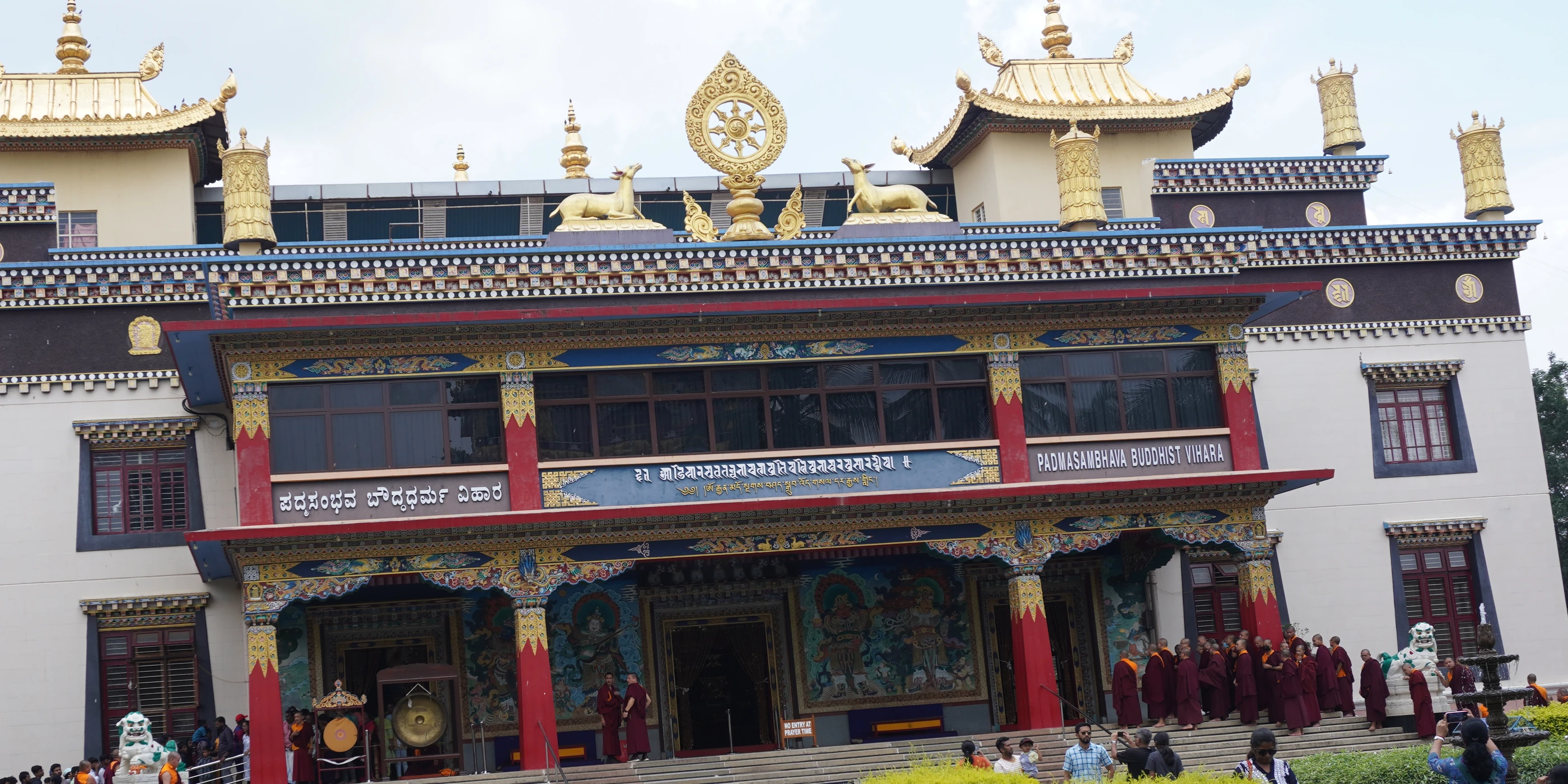
India hosts the largest community, with the Central Tibetan Administration in Dharamsala and large settlements in states such as Karnataka and Himachal Pradesh, many dating from the 1960s. Nepal and Bhutan have long-established communities. In recent decades many Tibetans have made homes in the United States, Canada, Switzerland, the United Kingdom, elsewhere in Europe and in Australia; a CTA census in 2022 received about 66,000 forms from India, Nepal and Bhutan.
A democracy in exile
The first elected Tibetan assembly in exile was sworn in on 2 September 1960, now celebrated as Tibetan Democracy Day. The Charter of the Tibetans in Exile, adopted in 1991, separates legislative, executive and judicial powers. Since the Dalai Lama devolved his political authority in 2011, an elected political leader (Kalon Tripa, retitled Sikyong in 2012) leads the administration: Lobsang Sangay from 2011 to 2021 and Penpa Tsering since 2021, re-elected in 2026.
Education
Tibetan Children’s Village began in Dharamsala in 1960 when the Dalai Lama’s elder sister took in 51 children from road-building camps; it now runs schools and homes across India. Exile schools teach Tibetan language and culture alongside a modern curriculum, and the CTA reports that 85–90 per cent of school-age children in exile are enrolled.
Guardians of culture
The Tibetan Institute of Performing Arts (founded 1959) keeps opera, music and dance alive; the Library of Tibetan Works and Archives (founded 1970) preserves manuscripts and teaches Tibetan studies; the Norbulingka Institute trains thangka painters, sculptors and craftspeople; and the Tibet Museum in Dharamsala documents Tibet’s history and the exile experience.
A new generation
Young Tibetans in exile lead campaigns through Students for a Free Tibet and other youth organisations, work in the arts, technology and journalism, and keep the Tibetan language alive online and in community schools. In September 2026 thousands rallied in Washington, D.C., showing that the cause is carried forward by those born far from Tibet.