Historical Status of Tibet and its Empire
An archive of Tibet’s historical and cultural significance: its kings and its empire, its treaties, its faith and its own governments. It answers the false claim that Tibet was always part of China.
བཙན་པོའི་དུས་རབས། ལོ་རྒྱུས་ཐོག་རང་བཙན་ལྡན་པའི་རྒྱལ་ཁབ།
Chronology
Before the 7th century · The Yarlung kings
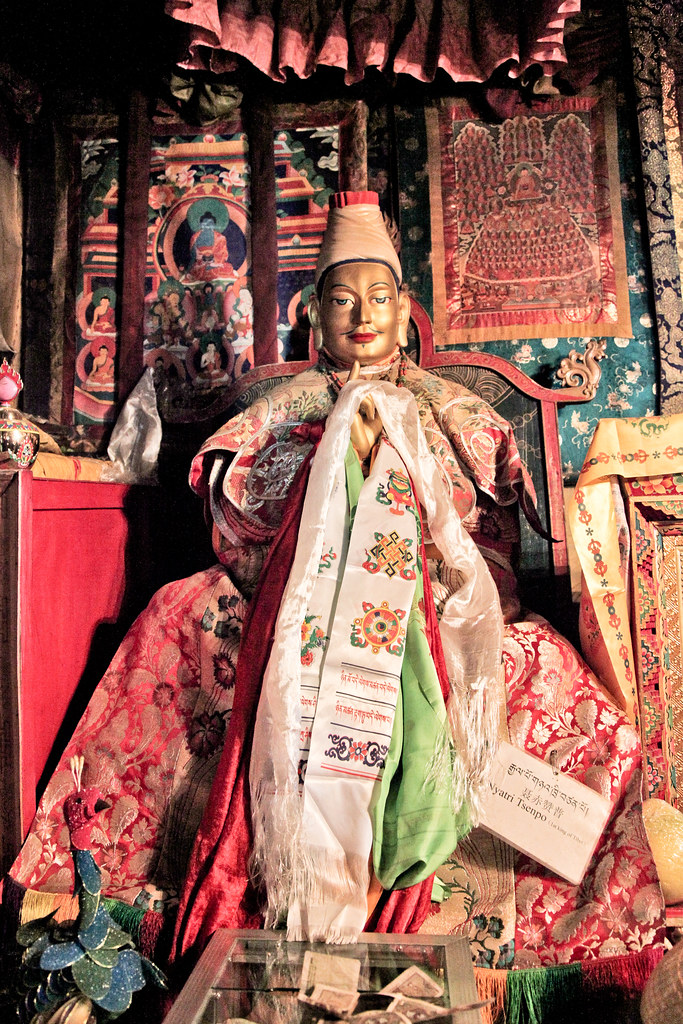
Tibetan tradition traces its royal line to a first king, Nyatri Tsenpo, whose enthronement the Central Tibetan Administration dates to 127 BCE, the first year of the Tibetan royal calendar. By the late 6th century the kings of the Yarlung valley were uniting the clans of central and southern Tibet.
617–650 · Songtsen Gampo builds an empire
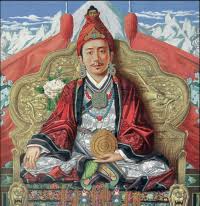
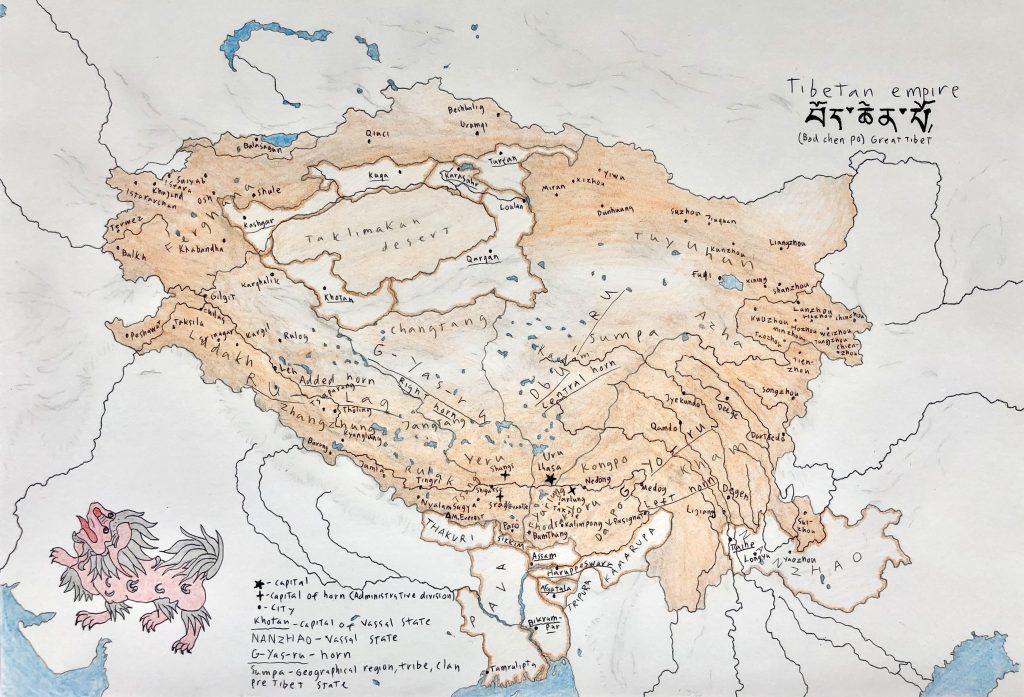
Songtsen Gampo made Lhasa his capital and extended Tibetan power across the plateau and beyond. His marriages to princesses from Nepal and China are linked in tradition to the arrival of Buddhism and the founding of the Jokhang, and his reign marks the start of Tibet’s recorded history.
7th–9th centuries · A great Asian power
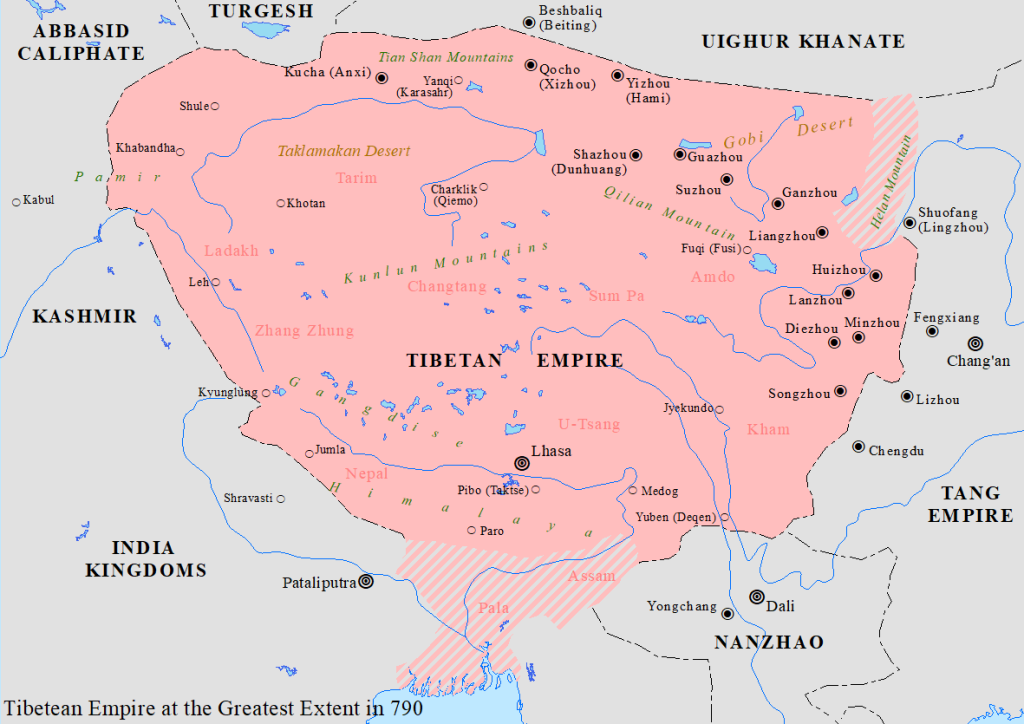
For some two centuries the Tibetan Empire was one of the great powers of Asia, contesting the Silk Road with Tang China. Tang China had agreed to pay Tibet an annual tribute; when it stopped, the forces of King Trisong Detsen occupied the Tang capital, Chang’an, in 763. Around 779 King Trisong Detsen founded Samye, Tibet’s first monastery.
821–823 · A treaty between equals
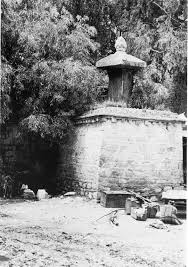
Tibet and Tang China agreed a peace treaty in 821–822 that fixed their border and spoke of two realms living side by side. Its text, in Tibetan and Chinese, was carved on stone pillars; the one raised in 823 still stands before the Jokhang in Lhasa.
c. 842 · The empire breaks apart
After the death of King Langdarma, which the CTA dates to 842, the empire divided among rival lineages and Buddhism lost royal support in central Tibet. For about two centuries there was no single Tibetan ruler.
1042 · Atisha and the Buddhist revival
The Indian master Atisha arrived in western Tibet in 1042, part of a great revival of Buddhism. New traditions grew from it, among them the Kadam, Sakya and Kagyu schools, alongside the older Nyingma school and the Bon religion.
1240–1350 · The Mongols and the Sakya lamas
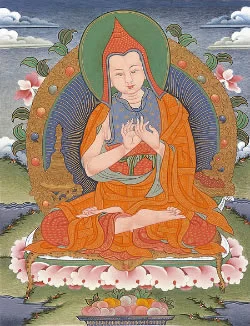
After Mongol raids in 1240, Sakya Pandita met the Mongol prince Köden in 1247, and his nephew Phagpa became preceptor to Kublai Khan. Tibetans understood the bond as one of priest and patron (chö-yön), and Sakya lamas governed Tibet under Mongol patronage. The Mongols conquered China too; the historian Elliot Sperling showed that the claim that Tibet has belonged to China ever since is a modern construction.
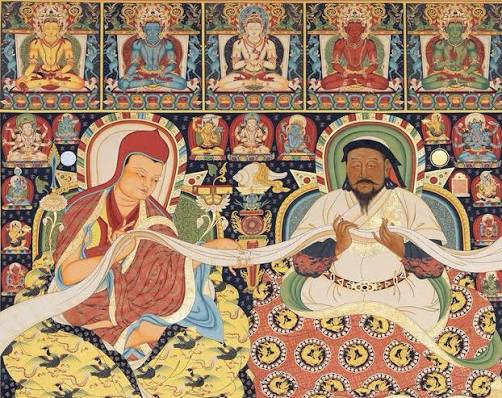
1350 · Tibetan rule restored
Changchub Gyaltsen of the Phagmodrupa family ended Sakya rule in 1350 and re-established a Tibetan state as Mongol power faded. The Ming emperors who followed in China gave titles to Tibetan lamas but held no authority in Tibet.
1409 · Tsongkhapa and the Gelug school
The scholar Tsongkhapa founded Ganden monastery near Lhasa in 1409, the seat of the Gelug school. Drepung and Sera followed within a decade, and the three became Tibet’s largest monasteries.
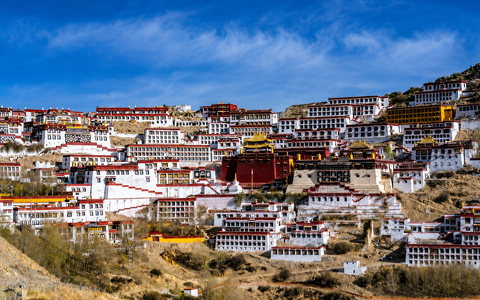
1578 · Sonam Gyatso, the Third Dalai Lama, receives the title
In 1578 the Mongol ruler Altan Khan gave the Gelug lama Sonam Gyatso the title Dalai Lama; dalai is Mongolian for ocean. Sonam Gyatso is counted as the Third Dalai Lama: the title was given in retrospect to his two predecessors, Gendun Drup and Gendun Gyatso.
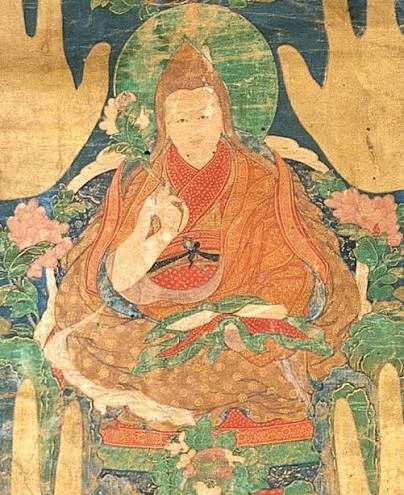
1642 · The Gaden Phodrang government
With the backing of the Mongol leader Gushri Khan, the Fifth Dalai Lama became ruler of Tibet in 1642. His government, the Gaden Phodrang, began building the Potala Palace in Lhasa, and Dalai Lamas or their regents led it until 1959.
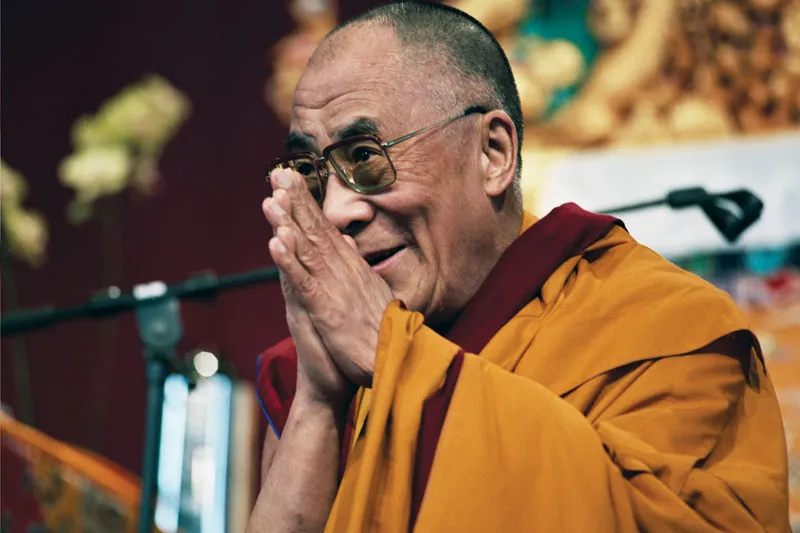
1720–1793 · The Manchu emperors and the ambans
At the Tibetan government’s request, Manchu forces helped drive invading Dzungar Mongols out of Tibet in 1720, and the Manchu court afterwards kept representatives, the ambans, in Lhasa. The Central Tibetan Administration describes them as imperial envoys closer to ambassadors than rulers; their influence rose briefly after the Gorkha war of 1792 and was only nominal by the mid-19th century.