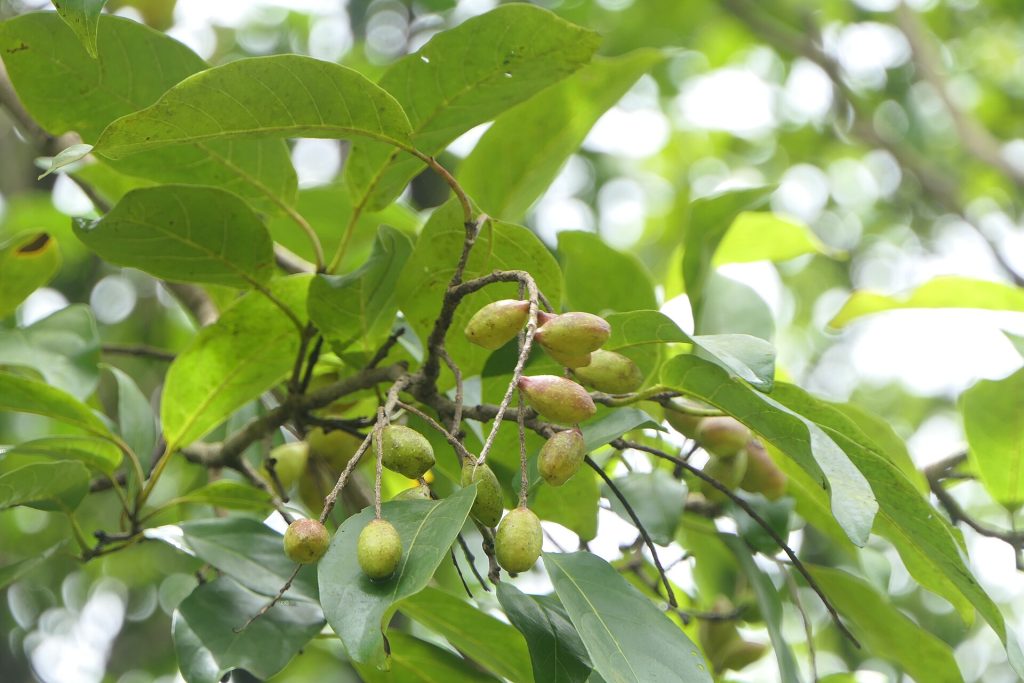
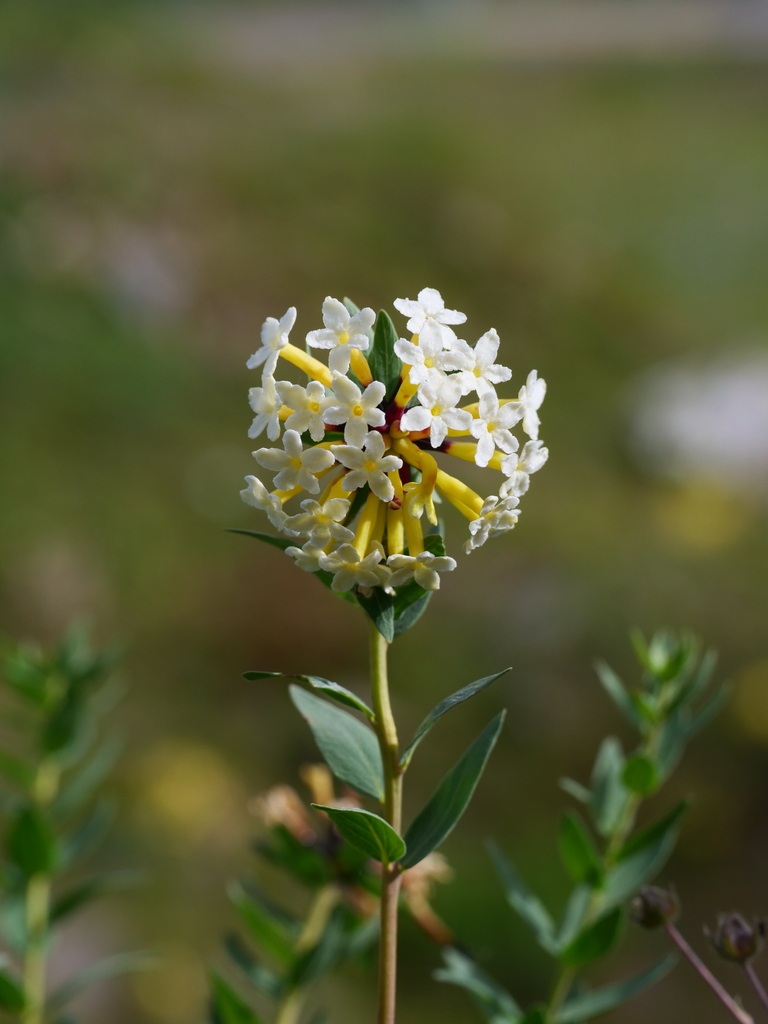
Medicinal plants 8 Photo: Dinesh Valke from Thane, India, CC BY-SA 2.0, via Wikimedia Commons. Photographed in India; the tree is not native to the Tibetan Plateau. Arura, the myrobalan fruit held by the Medicine Buddha. It is central to Tibetan medicine but is not a plant of the Tibetan Plateau: it is a lowland tree, imported into Tibet.
IUCN Red List: LC Least concern, IUCN Red List
A bitter Himalayan herb, the tikta (tig ta) of Tibetan medicine. It grows on the Himalayan slopes below the plateau, not on the plateau itself.
IUCN Red List: NE Not evaluated, IUCN Red List
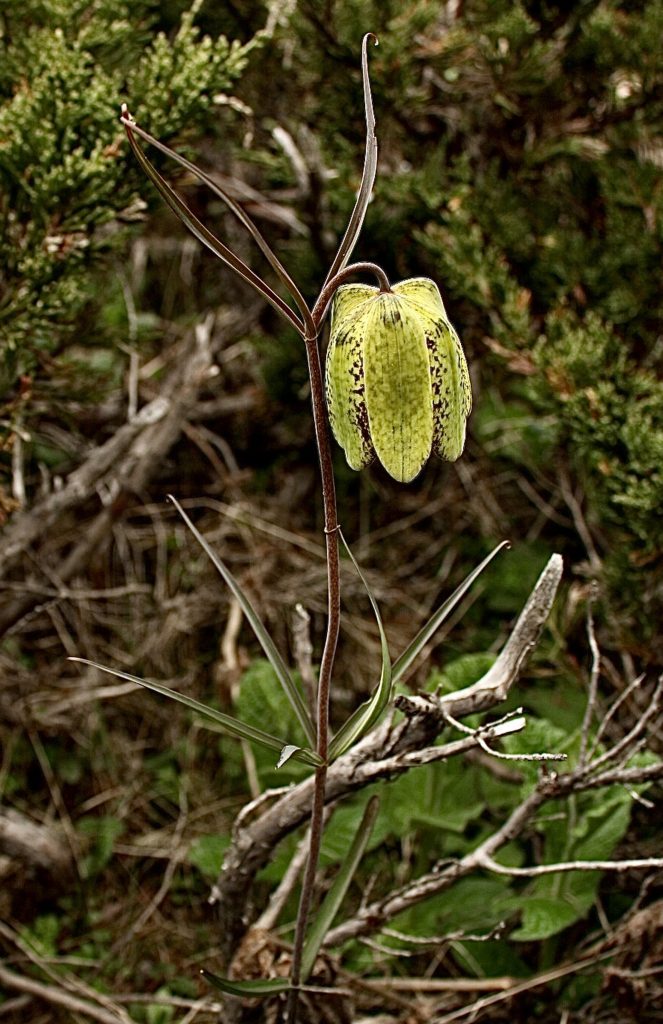
Photo: Siddarth Machado, CC BY 4.0, via Wikimedia Commons A bell-flowered lily whose bulbs are traded as a cough medicine.
IUCN Red List: VU Vulnerable, IUCN Red List 2022
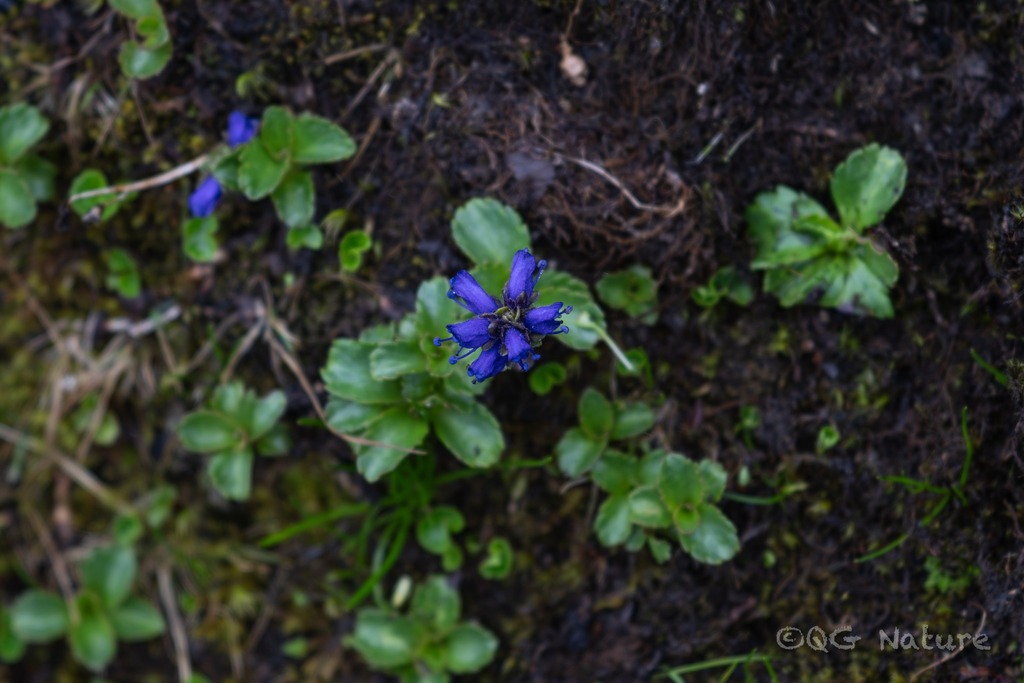
Photo: Wang.QG, CC BY, via iNaturalist. Photographed in the wild in Nyingtri (Ch: Nyingchi), Kongpo. A small alpine herb with a bitter rhizome, traded as hong len for Tibetan medicine and as kutki in Nepal.
IUCN Red List: NE Not evaluated, IUCN Red List
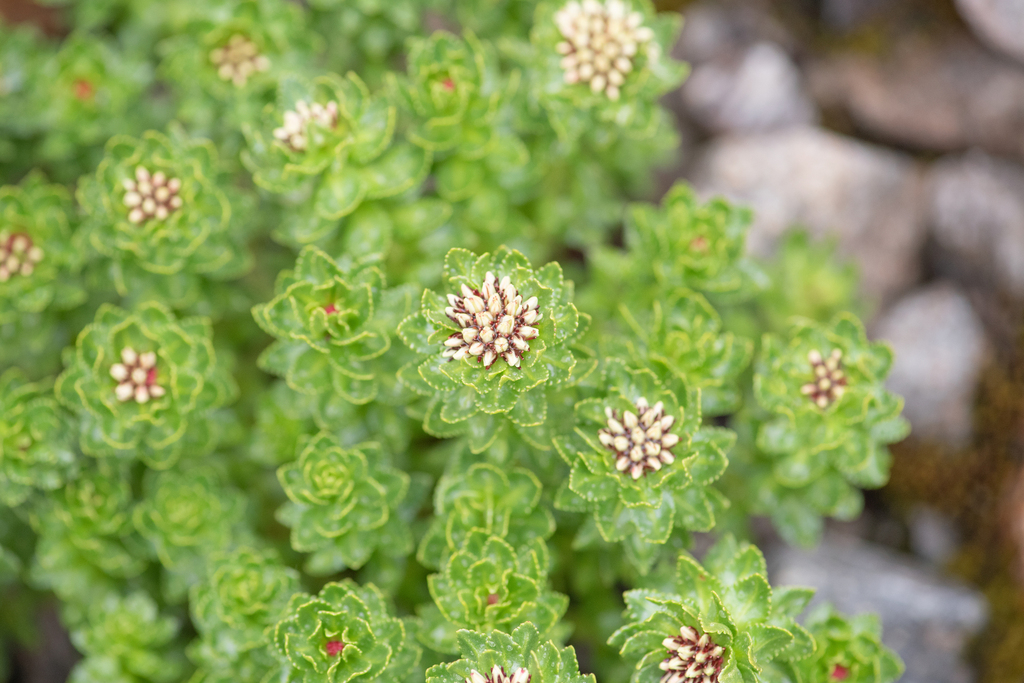
Rhodiola Rhodiola crenulata Photo: Morten Ross, CC BY, via iNaturalist. Photographed in Sikkim. A fleshy alpine plant with a red root, used in Tibetan medicine and sold widely as a herbal product.
IUCN Red List: NE Not evaluated, IUCN Red List
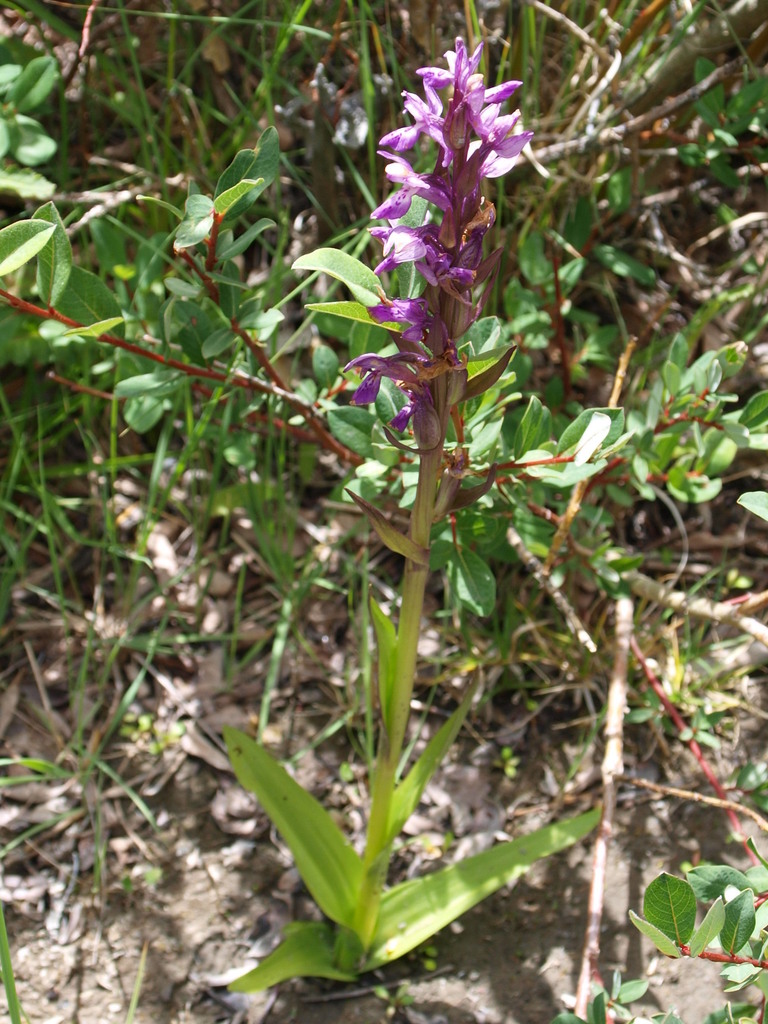
Photo: Pavel Kacl, CC BY, via iNaturalist. Photographed in the wild near Kargil, Ladakh. A purple-flowered orchid whose hand-shaped tubers ('Indra's hand') are prized in Himalayan and Tibetan medicine.
IUCN Red List: EN Endangered, IUCN Red List 2022
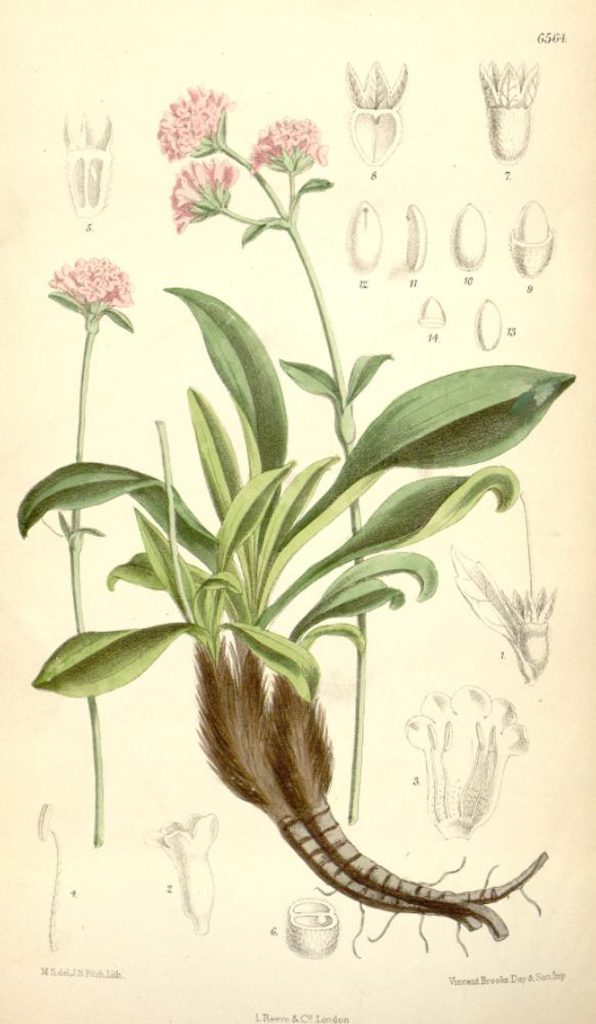
Spikenard Nardostachys jatamansi Photo: Joseph Dalton Hooker (1817-1911), Public domain, via Wikimedia Commons A fragrant Himalayan herb whose roots are used in incense, perfume and Tibetan medicine.
IUCN Red List: CR Critically endangered, IUCN Red List 2021
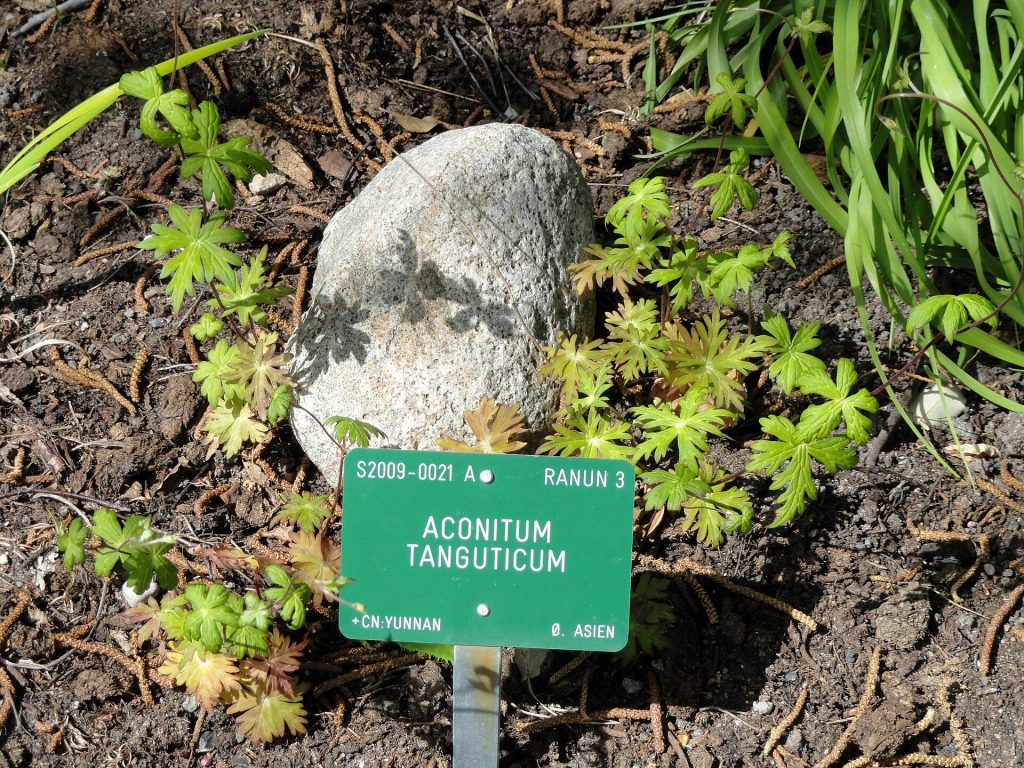
Photo: Daderot, CC0, via Wikimedia Commons. Botanic-garden plant (Copenhagen), not photographed in the wild. A blue-flowered alpine aconite, one of at least 15 aconite species used in Tibetan medicine.
IUCN Red List: NE Not evaluated, IUCN Red List
Cushion plants and scree flora 7 Photo: Rohit Sharma, CC BY-SA 4.0, via Wikimedia Commons. Photographed in the wild in the Valley of Flowers National Park, Uttarakhand, India. A Himalayan saw-wort whose purple flower heads hide inside cups of pale, papery bracts. It is listed in Tibetan medical works under the name lug rtsi do bo.
IUCN Red List: NE Not evaluated, IUCN Red List
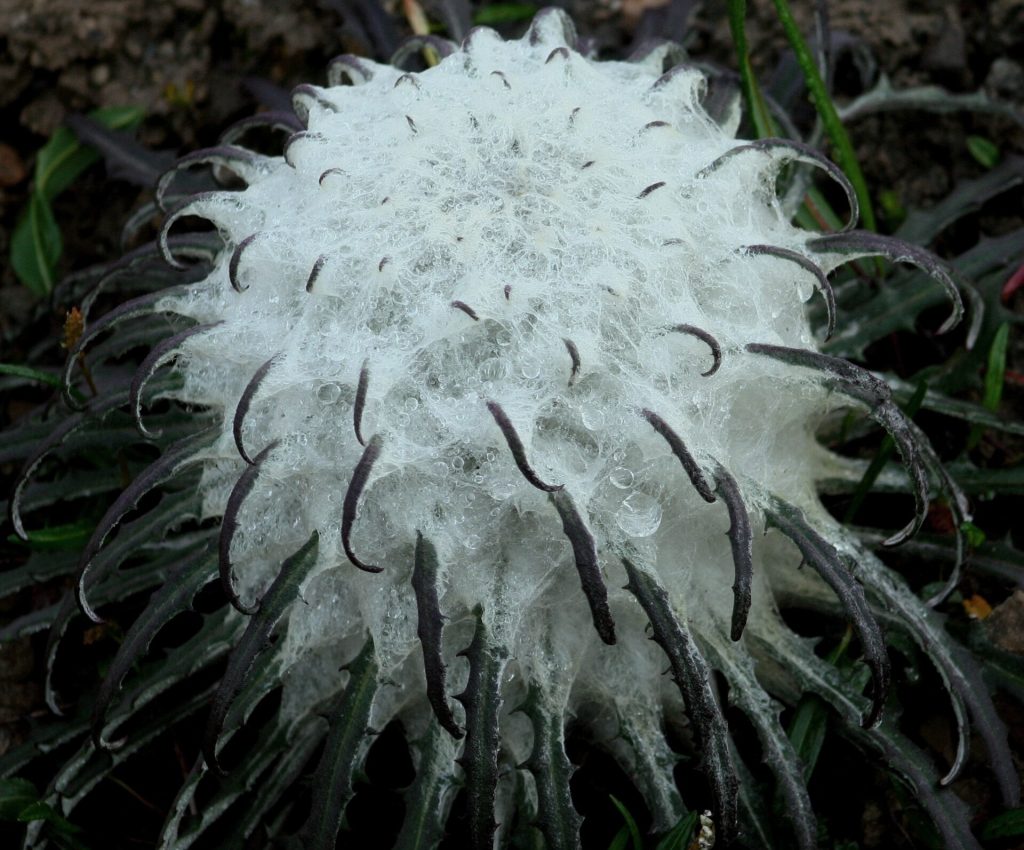
Photo: Prateek (Talk), CC BY-SA 2.5 in, via Wikimedia Commons. Photographed in the Himalaya (exact place not stated). A snowball-like plant wrapped in dense white wool, one of the strangest flowers of the high Himalaya.
IUCN Red List: NE Not evaluated, IUCN Red List
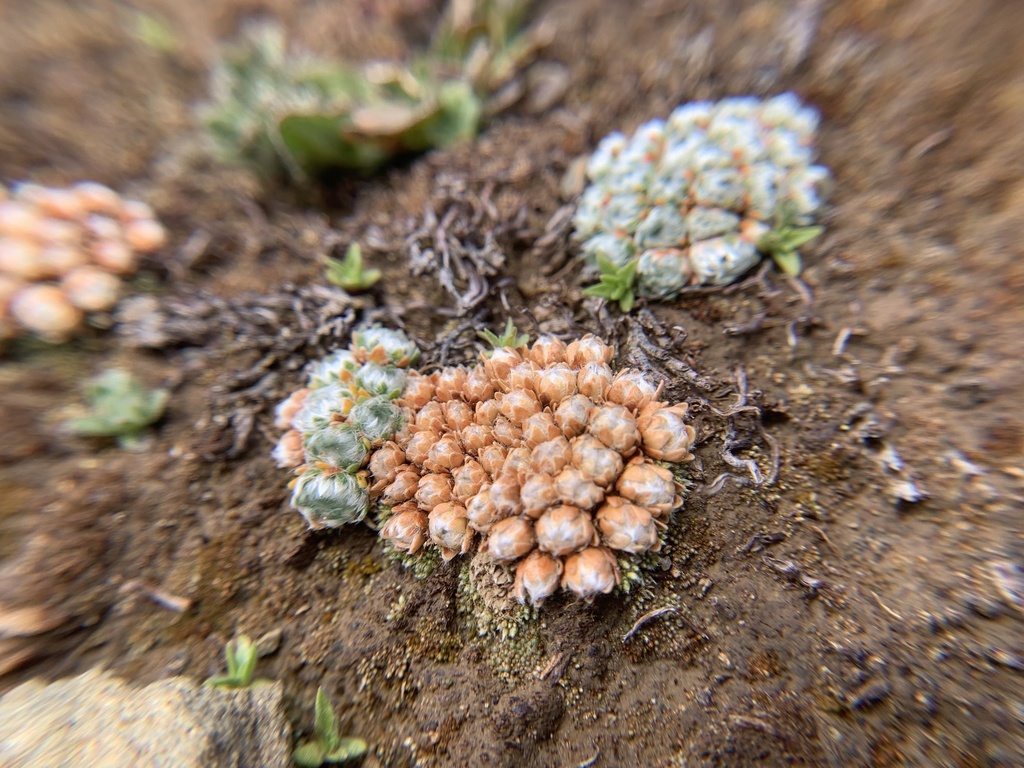
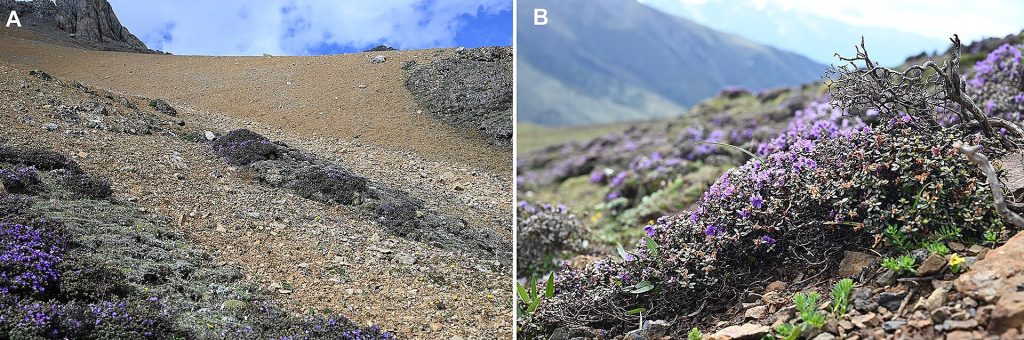
Photo: TonyT, CC BY, via iNaturalist. Photographed in the wild near Nangartse (Ch: Nagarze), Lhokha, Ü-Tsang. A tight, hard cushion of tiny rosettes that hugs dry gravel slopes of the plateau.
IUCN Red List: NE Not evaluated, IUCN Red List
A squat, woolly snow lotus of the highest scree, long used in Tibetan medicine and now collected heavily.
IUCN Red List: NE Not evaluated, IUCN Red List
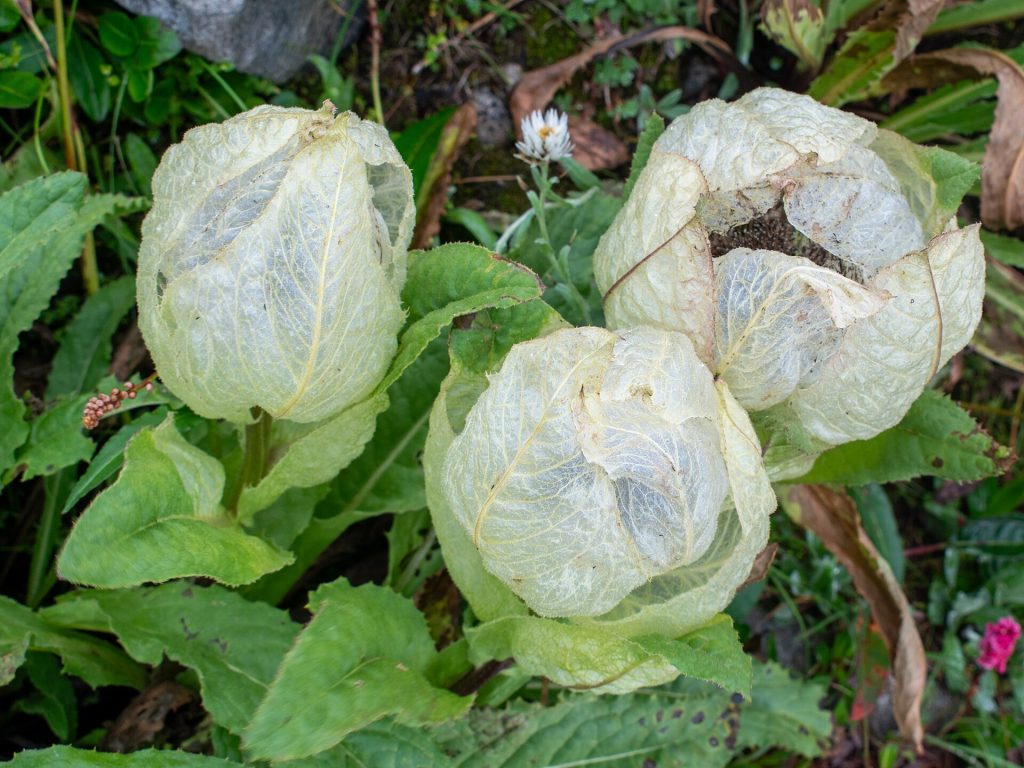
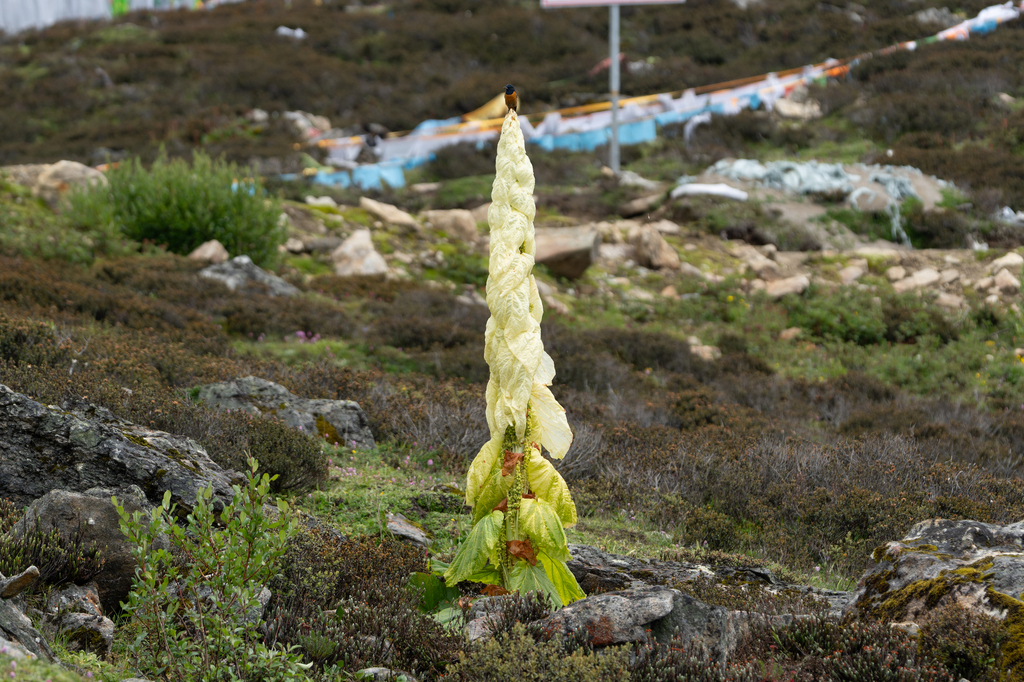
Photo: observe-syz, CC0, via iNaturalist. Photographed in the wild in Nyingtri (Ch: Nyingchi), Kongpo. A 'glasshouse plant': a 1–2 m tower of translucent, straw-coloured bracts visible across Himalayan valleys.
IUCN Red List: NE Not evaluated, IUCN Red List
A woolly alpine plant of high scree, collected for medicine and sold to tourists.
IUCN Red List: NE Not evaluated, IUCN Red List
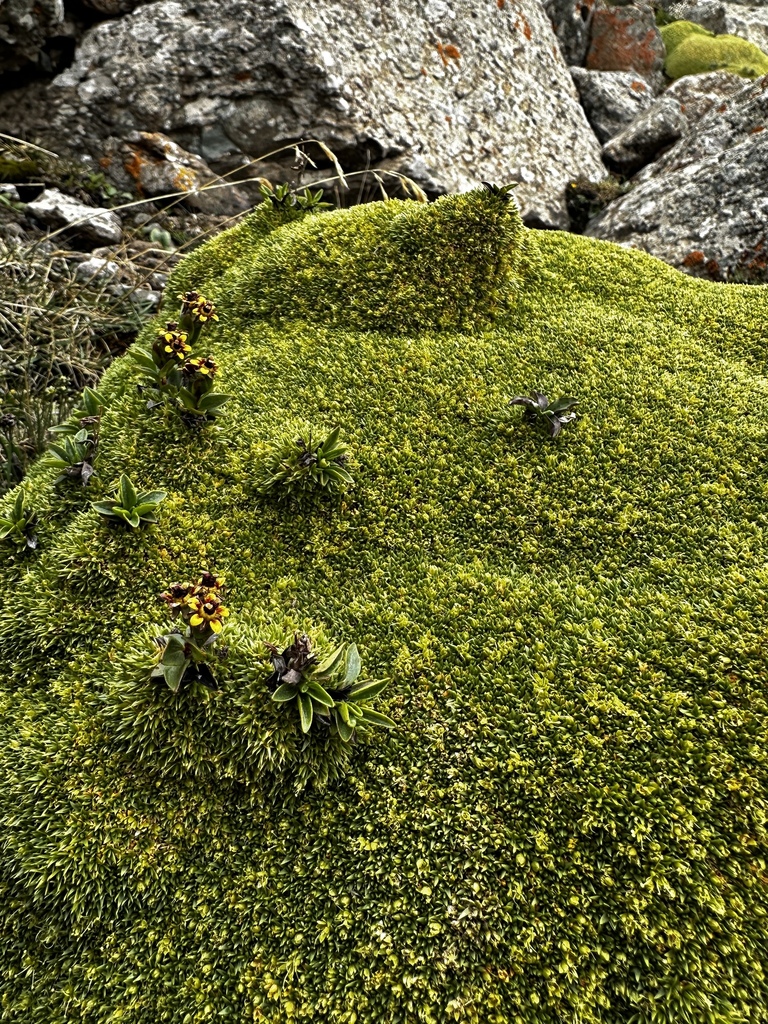
Photo: Vladislav Isaev, CC BY, via iNaturalist. Photographed in the wild in Gansu (exact place not stated). A hard green cushion, one of the highest-growing flowering plants, recorded up to 6,000 m.
IUCN Red List: NE Not evaluated, IUCN Red List
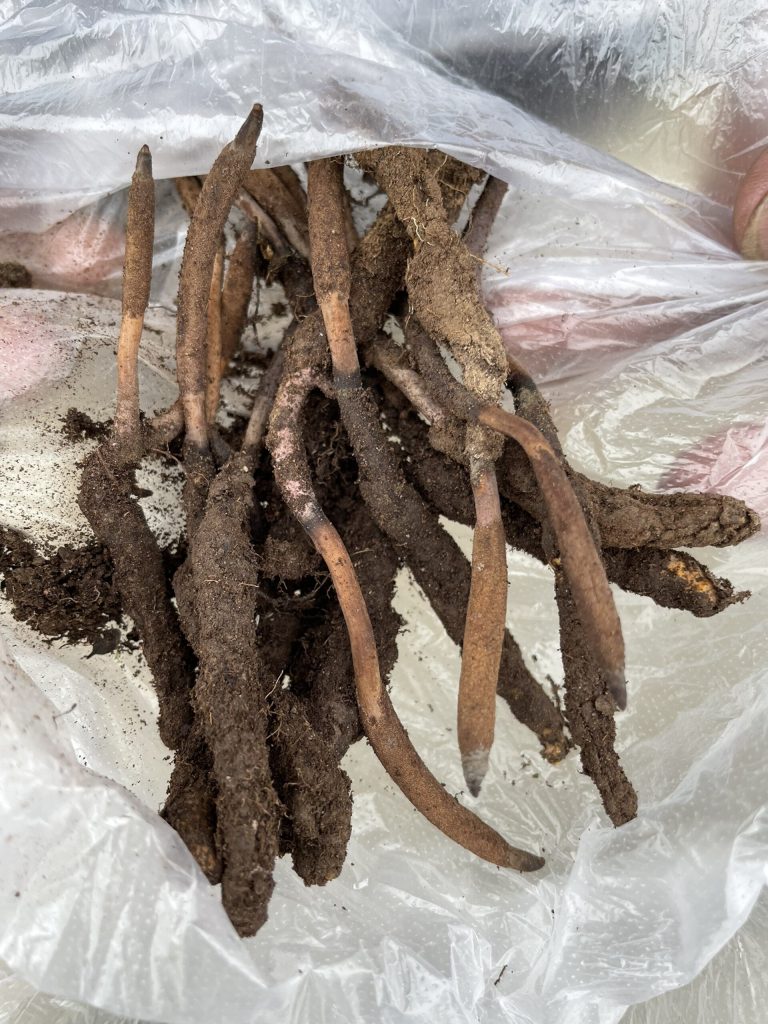
Fungi and lichens 2 Photo: Fumikas Sagisavas, CC0, via Wikimedia Commons A fungus that grows from the body of a ghost-moth caterpillar; its name, yartsa gunbu, means 'summer grass, winter worm'.
IUCN Red List: VU Vulnerable, IUCN Red List 2020
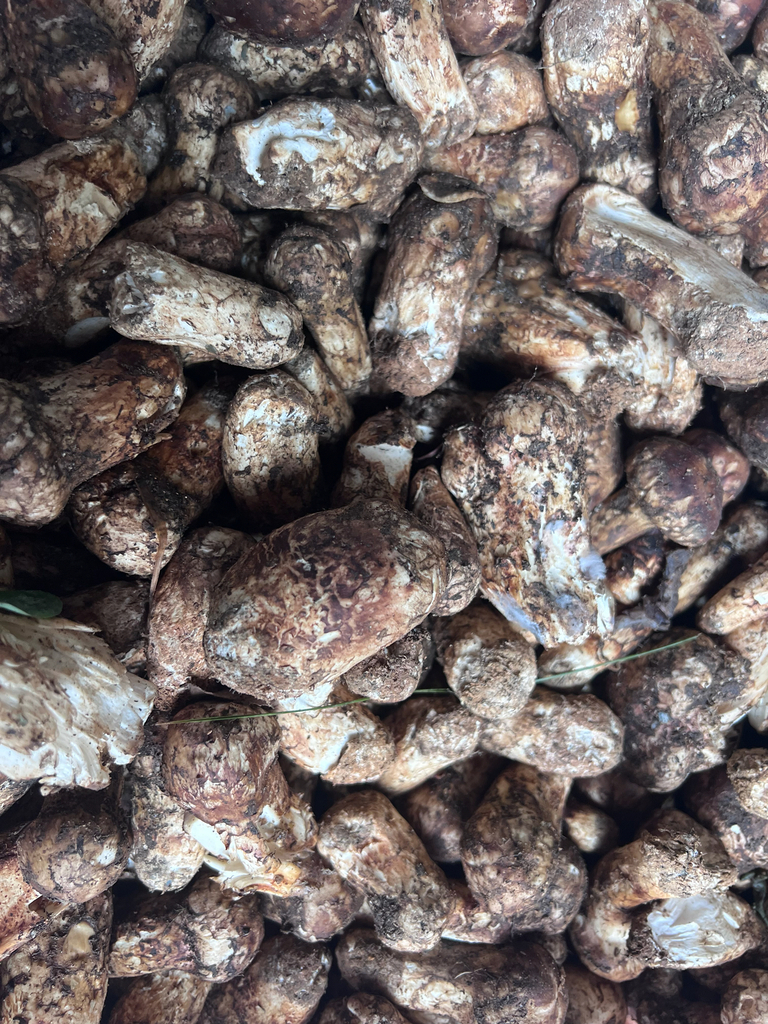
Photo: TonyT, CC BY, via iNaturalist. Mushrooms on sale in Dali, Yunnan, not photographed in the wild. A prized wild mushroom of the pine and oak forests of Kham and Kongpo, exported abroad and an important source of cash for Tibetan villages.
IUCN Red List: VU Vulnerable, IUCN Red List 2020
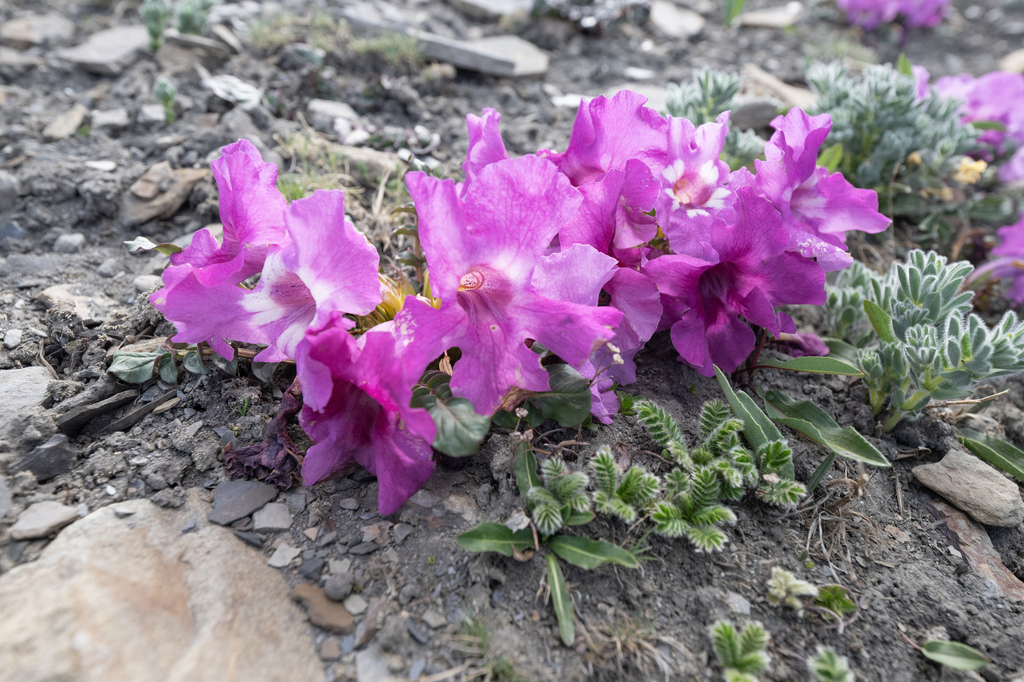
Wildflowers 7 Photo: Morten Ross, CC BY, via iNaturalist. Photographed in the wild in Dabpa (Ch: Daocheng) County, Kham. A low plant with startlingly large magenta trumpets that open almost on the ground, named ug chos in Tibetan medical works.
IUCN Red List: NE Not evaluated, IUCN Red List
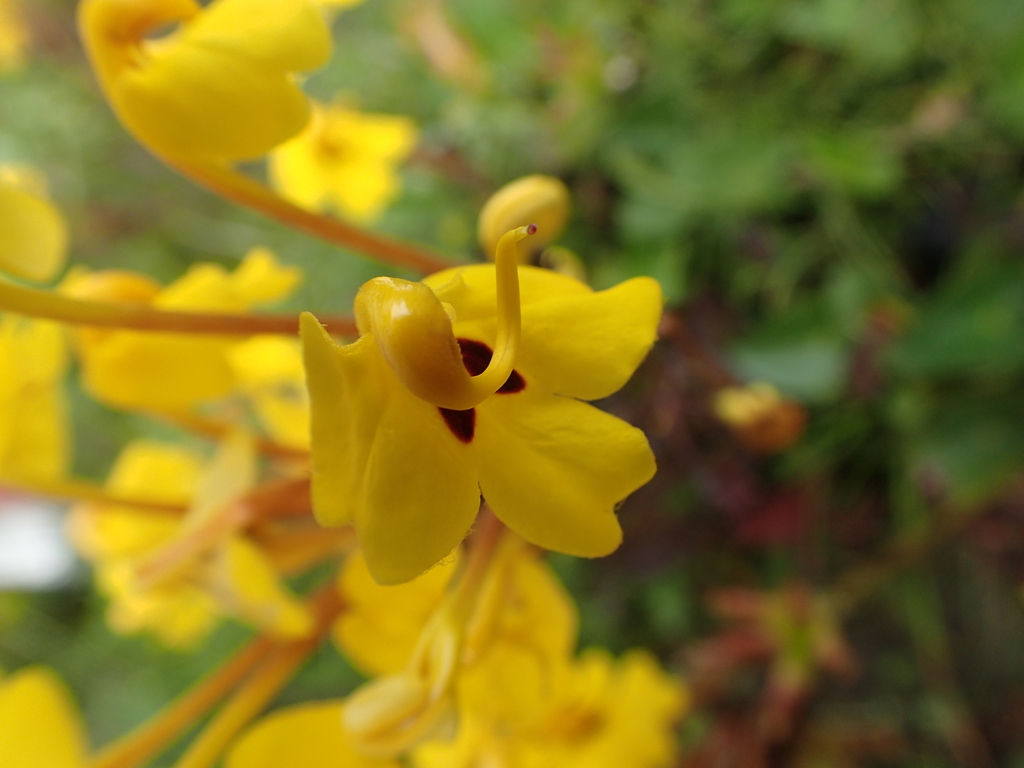
Photo: Étienne Léveillé-Bourret, CC BY, via iNaturalist. Photographed in the wild near Dartsedo (Ch: Kangding), Kham. A bright yellow lousewort with a long, slender flower tube, common in wet meadows across the plateau.
IUCN Red List: NE Not evaluated, IUCN Red List
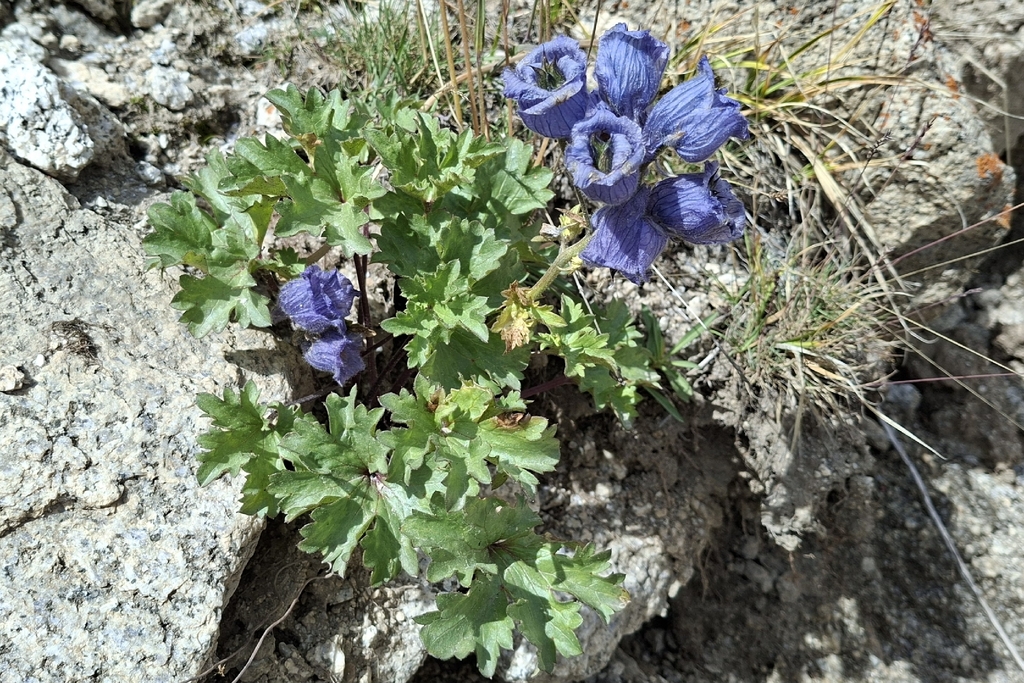
Photo: Johannes S., CC BY, via iNaturalist. Photographed in the wild in Ladakh. A blue-purple larkspur of very high scree with a strong musky smell, listed as a medicinal herb in Tibetan dictionaries.
IUCN Red List: NE Not evaluated, IUCN Red List
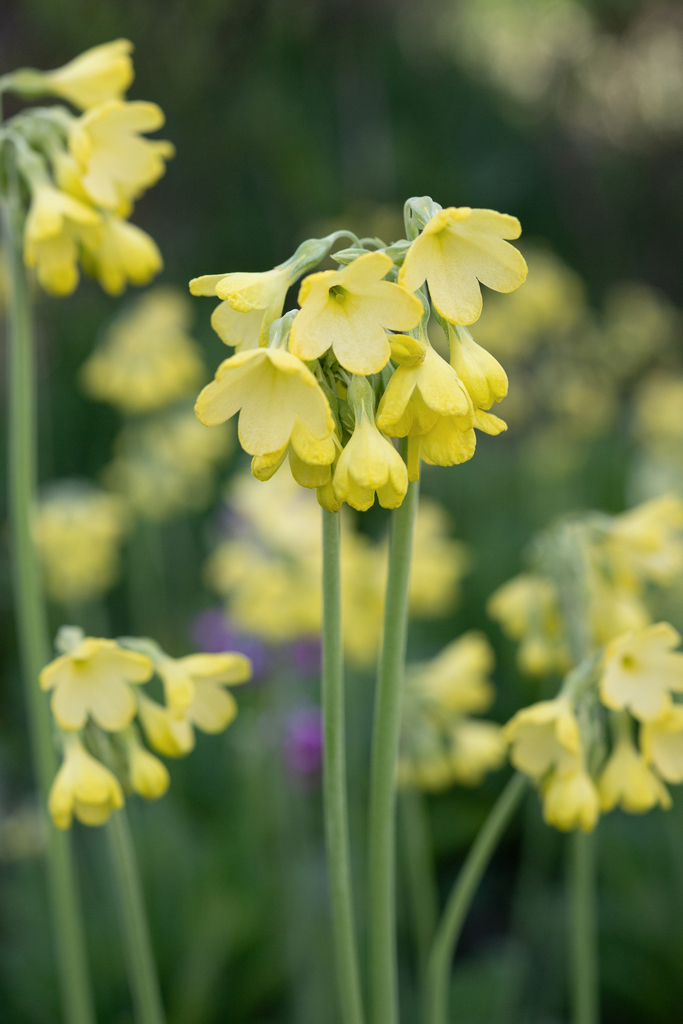
Photo: Morten Ross, CC BY, via iNaturalist. Photographed in the wild near Gyalthang (Ch: Shangri-La), Kham. A tall yellow primrose that carpets wet meadows and stream banks of the southern plateau edge in early summer.
IUCN Red List: NE Not evaluated, IUCN Red List
Photo: Jiao Sun (孙娇), CC BY, via iNaturalist. Photographed in the wild in Kandze (Ch: Garzê) County, Kham. A poisonous, sweet-scented grassland flower whose roots are the raw material of traditional Tibetan paper.
IUCN Red List: NE Not evaluated, IUCN Red List
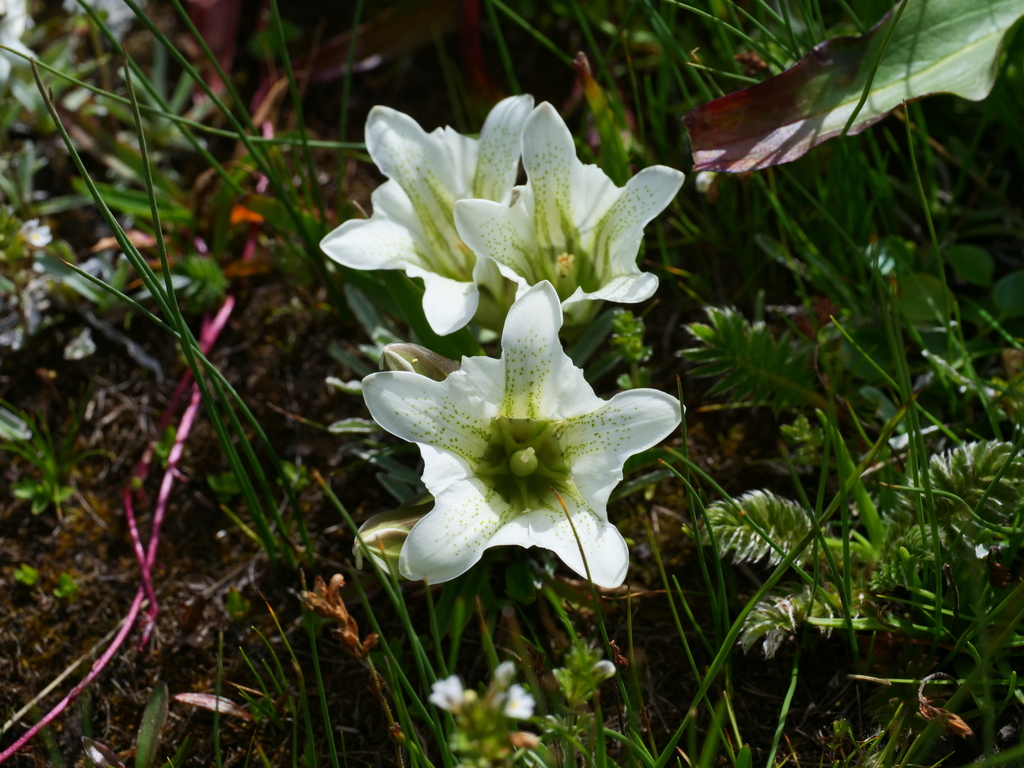
Photo: Jiao Sun (孙娇), CC BY, via iNaturalist. Photographed in the wild in Dêgé (Ch: Dege) County, Kham. A pale, straw-coloured gentian of plateau meadows, the 'white dog's tongue' (kyi lce dkar po) of Tibetan medical dictionaries.
IUCN Red List: NE Not evaluated, IUCN Red List
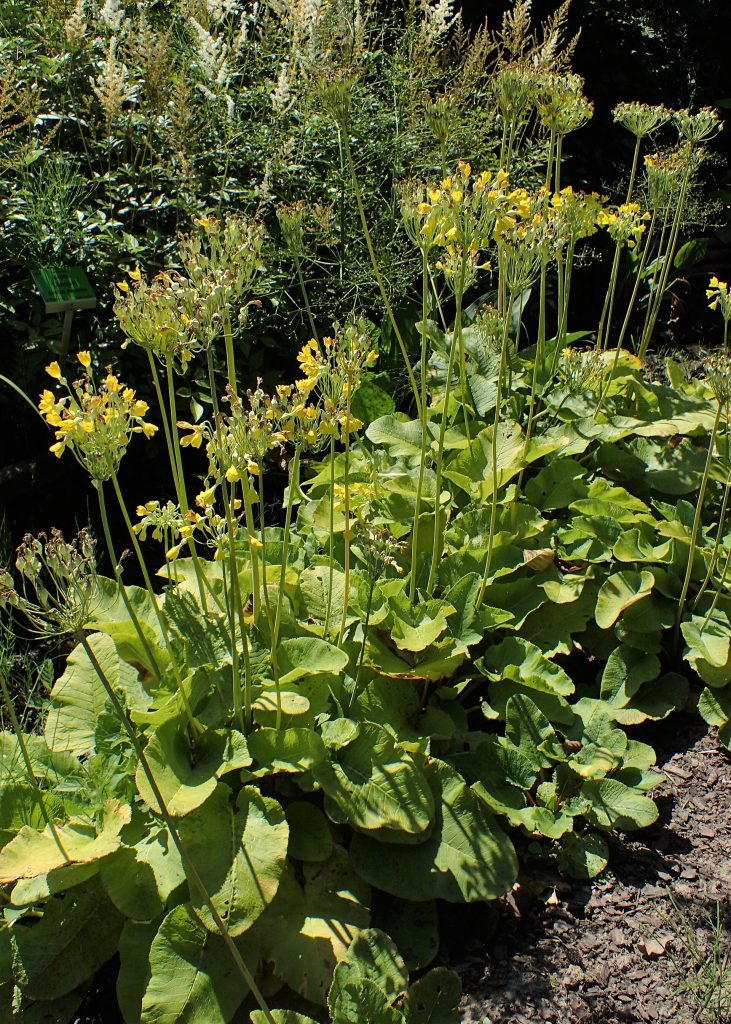
Photo: Krzysztof Ziarnek, Kenraiz, CC BY-SA 4.0, via Wikimedia Commons. Garden plant (arboretum in Wojsławice, Poland), not photographed in the wild. A giant cowslip found only in south-eastern Tibet, where it grows in huge numbers along rivers such as the Yarlung Tsangpo.
IUCN Red List: NE Not evaluated, IUCN Red List
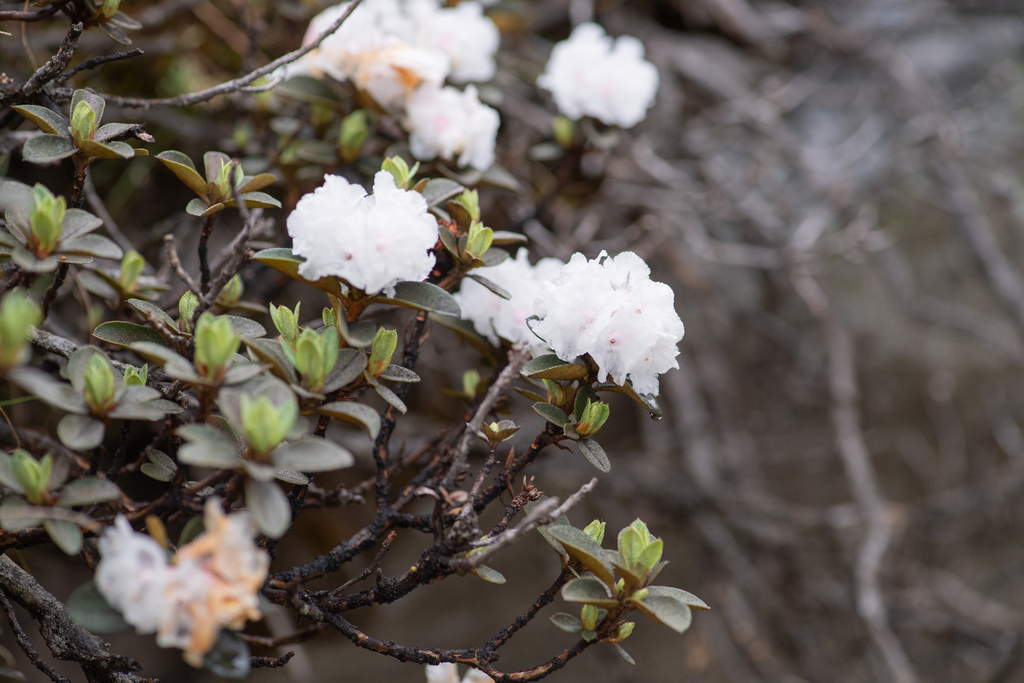
Rhododendrons 3 Photo: Morten Ross, CC BY, via iNaturalist. Photographed in the wild in Sikkim. A small, aromatic rhododendron whose leaves are burned as incense in Tibetan monasteries.
IUCN Red List: NE Not evaluated, IUCN Red List
Photo: Zhen-Yu Lyu et al. (GigaScience), CC BY 4.0, via Wikimedia Commons. The picture shows the subspecies boreale. One of the highest-growing woody plants in the world, a low rhododendron with purple flowers.
IUCN Red List: NE Not evaluated, IUCN Red List
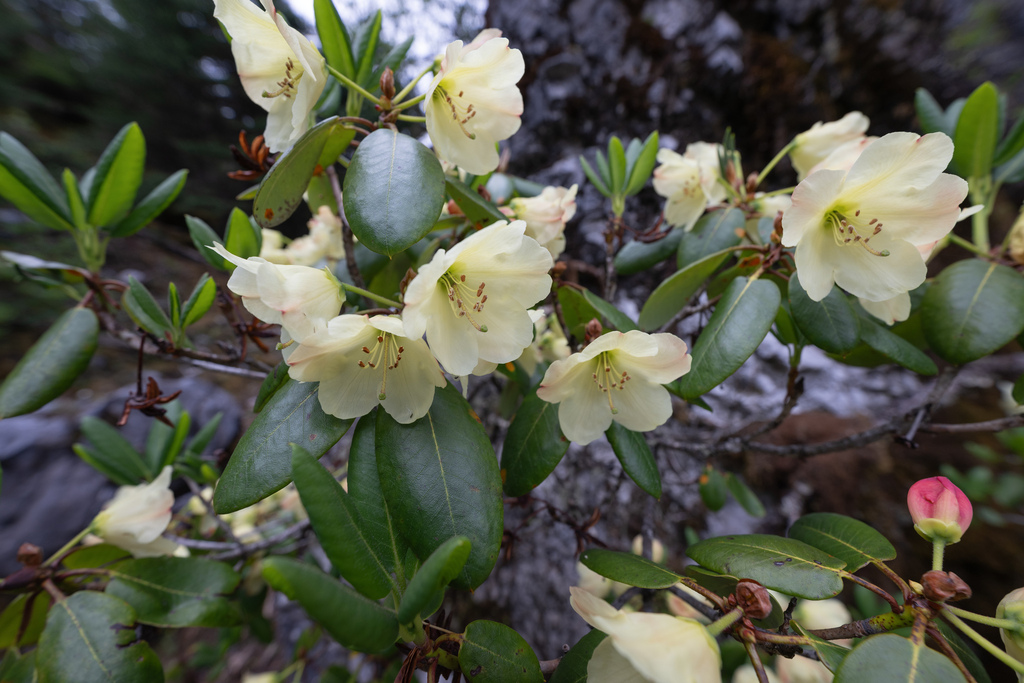
Photo: Morten Ross, CC BY, via iNaturalist. Photographed in the wild near Gyalthang (Ch: Shangri-La), Kham. A yellow-flowered rhododendron of the fir and spruce forests of Kham and Kongpo.
IUCN Red List: NE Not evaluated, IUCN Red List
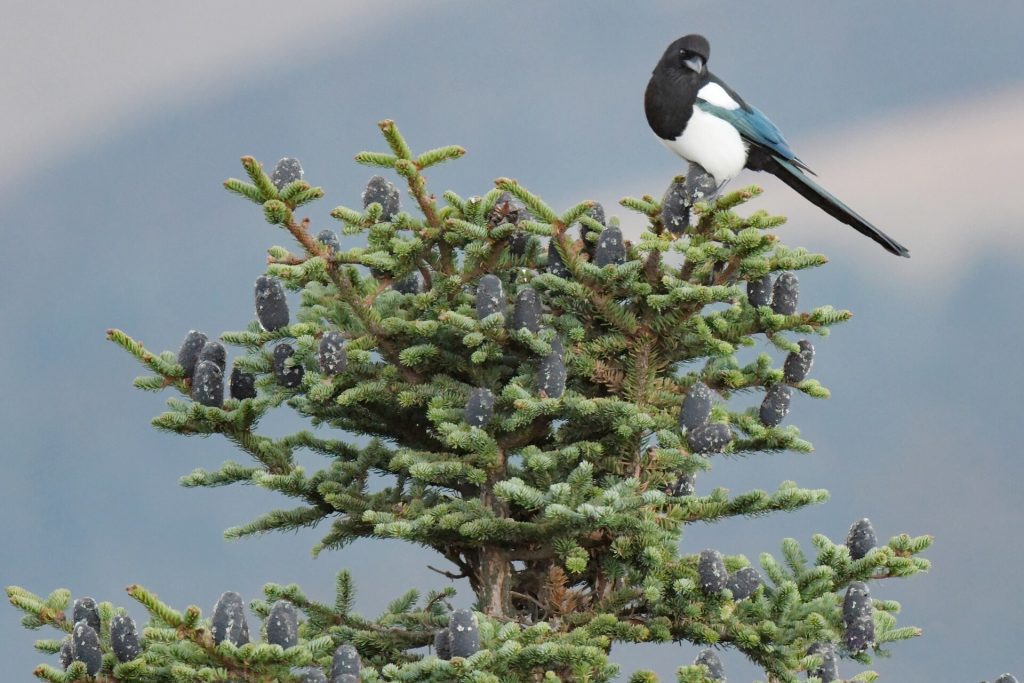
Trees 5 Photo: wangqg, CC BY 4.0, via Wikimedia Commons. Photographed in the wild in Lithang (Ch: Litang) County, Kham, with a black-rumped magpie. A fir with peeling, orange-red bark that grows higher than almost any other tree on Earth.
IUCN Red List: VU Vulnerable, IUCN Red List 2011
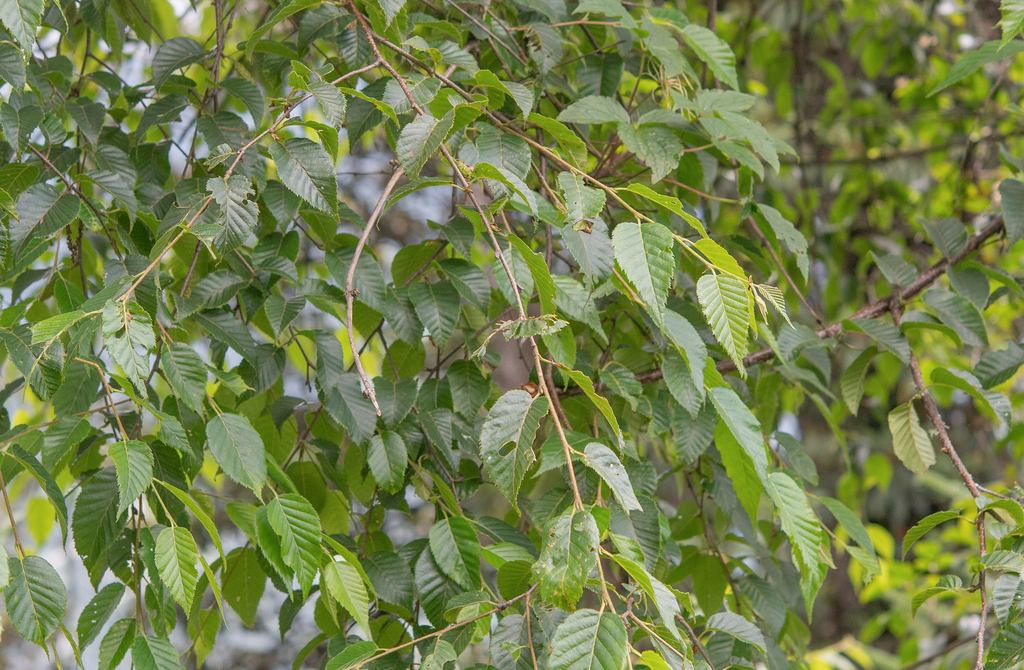
Photo: Morten Ross, CC BY, via iNaturalist. Photographed in the wild in Tawang, Arunachal Pradesh, India. A white-barked birch of the upper forest whose paper-thin bark was used in Tibet for writing sacred texts and charms.
IUCN Red List: LC Least concern, IUCN Red List 2014
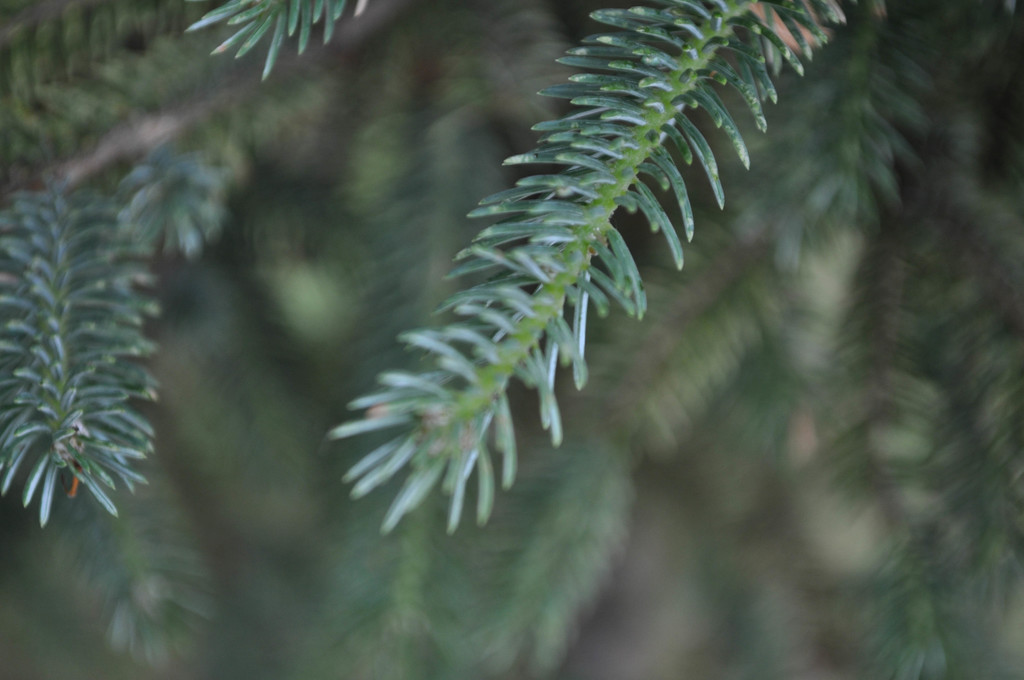
Photo: Ryan McMinds, CC BY, via iNaturalist. Photographed in Lijiang, Yunnan (foliage only). A spruce of the deep valleys of Kham whose numbers have fallen sharply through logging.
IUCN Red List: VU Vulnerable, IUCN Red List 2013
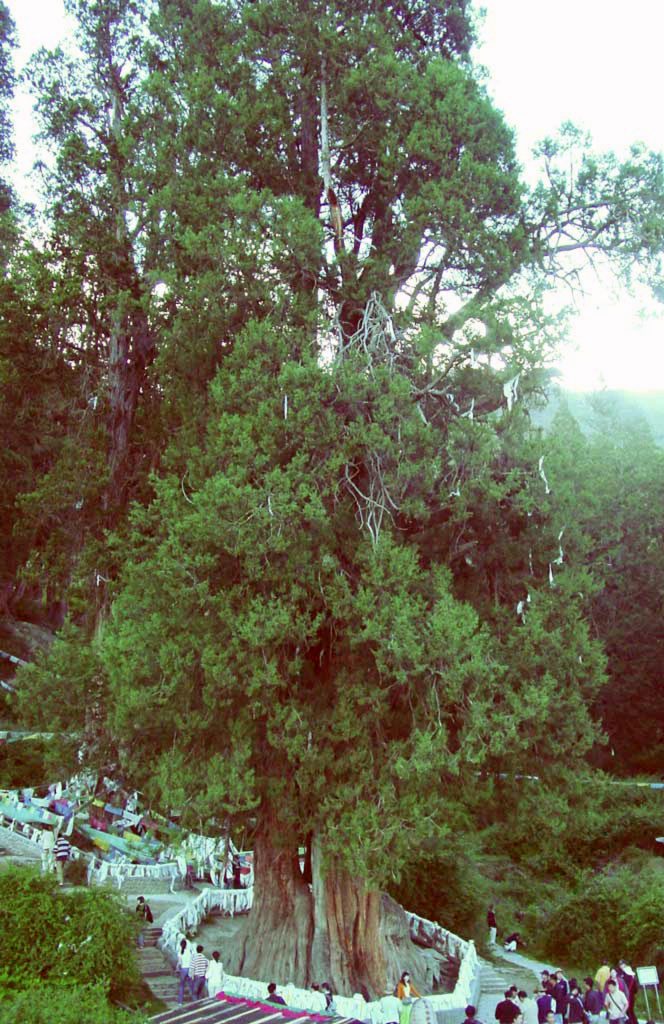
Photo: Kosi Gramatikoff (Kosigrim at English Wikipedia), Public domain, via Wikimedia Commons A giant cypress found only in the Nyingtri area of south-eastern Tibet, in the valleys of the Nyang and Yarlung Tsangpo rivers; the largest known tree is estimated to be about 2,600 years old.
IUCN Red List: VU Vulnerable, IUCN Red List 2013
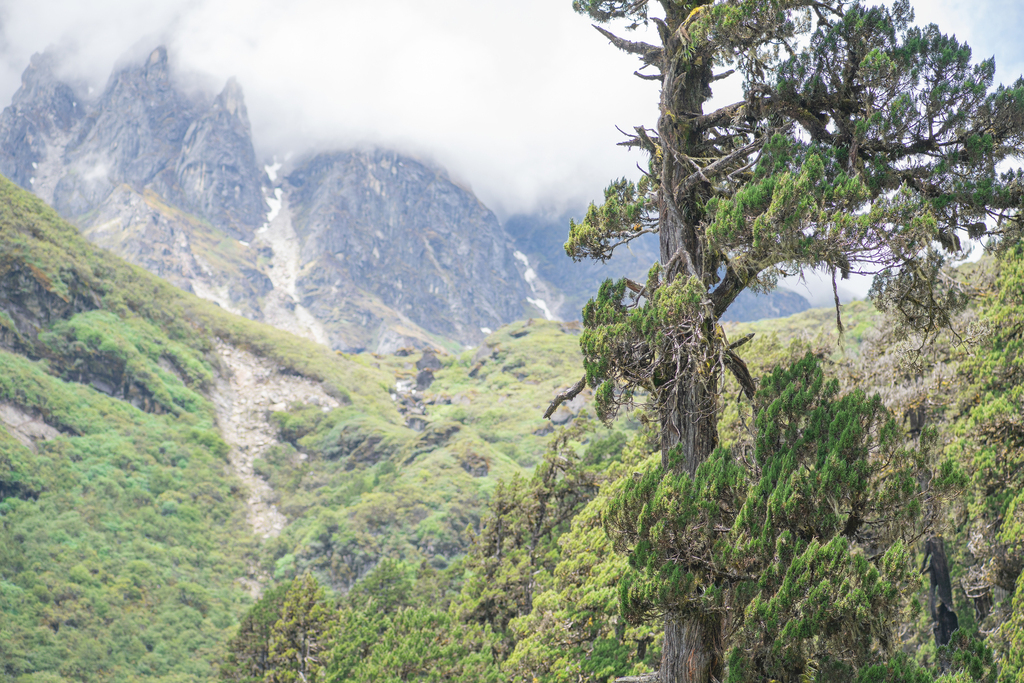
Photo: Morten Ross, CC BY, via iNaturalist. Photographed in the Indian Himalaya. A juniper that forms some of the highest forests on Earth; juniper is burned as sacred incense across Tibet.
IUCN Red List: VU Vulnerable, IUCN Red List 2013
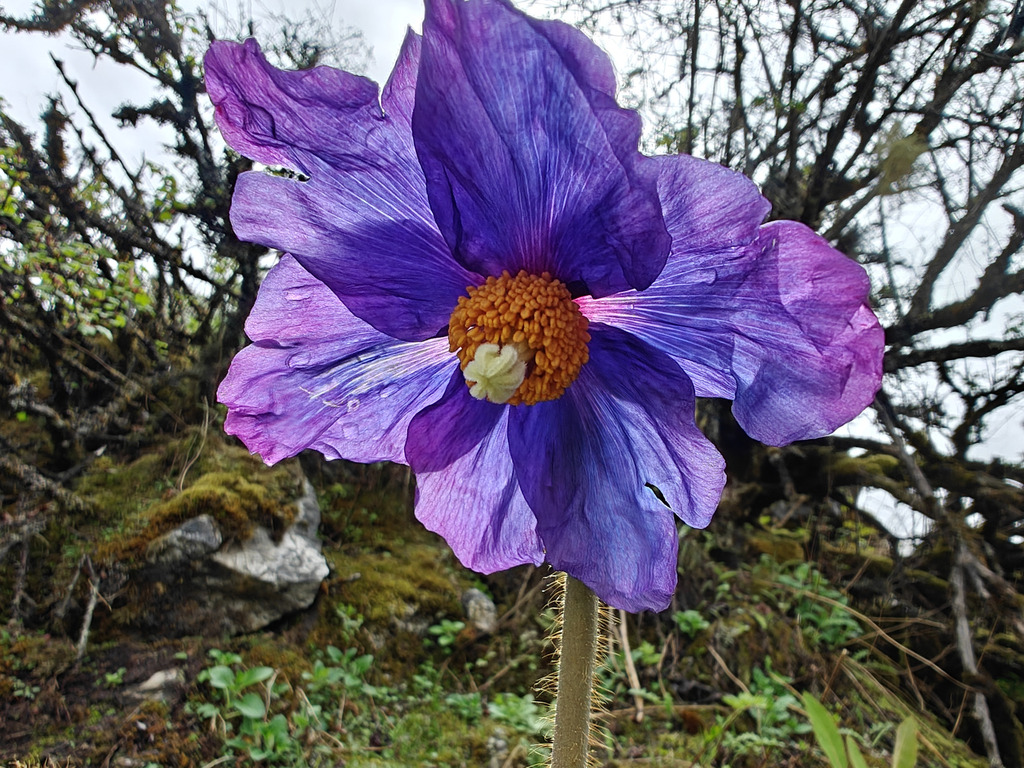
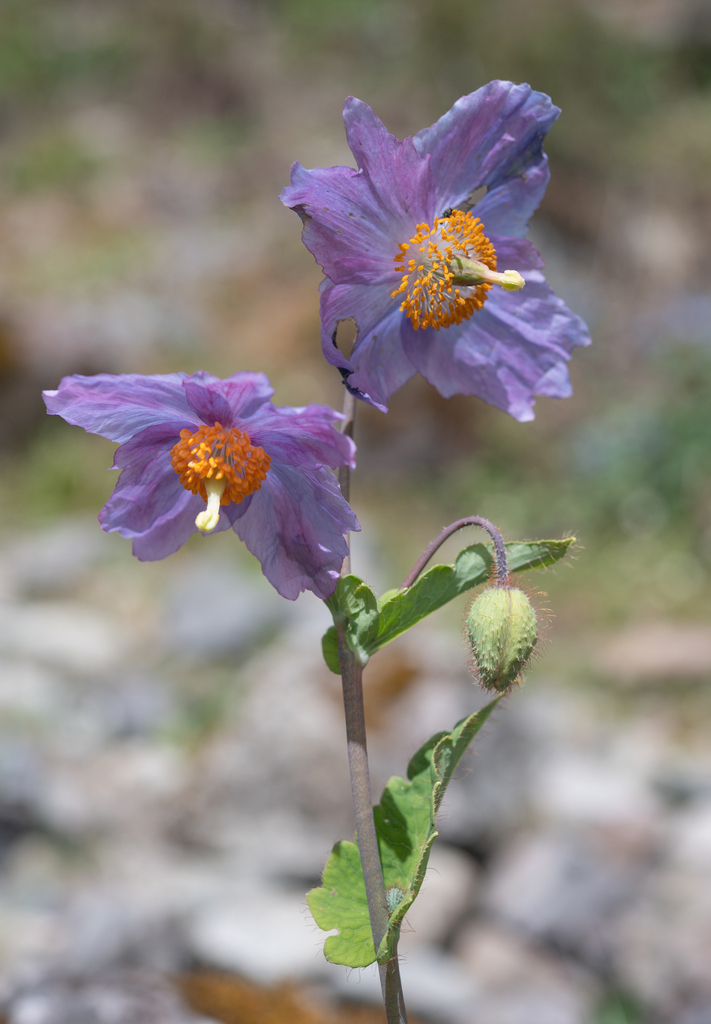
Poppies 5 Photo: Jiao Sun (孙娇), CC BY, via iNaturalist. Photographed in the wild in Dinggye (Ch: Dingjie) County, Shigatse, Ü-Tsang. A large, nodding blue to purple poppy of spruce forest and scrub on the southern rim of Tibet.
IUCN Red List: NE Not evaluated, IUCN Red List
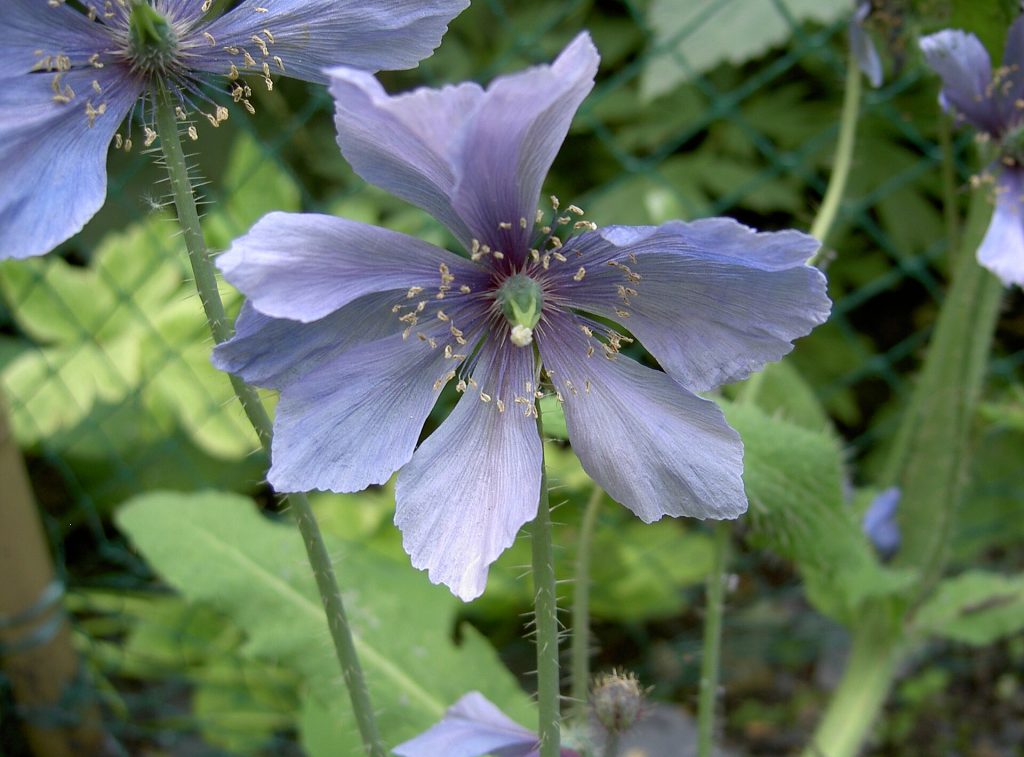
Photo: Morten Ross, CC BY, via iNaturalist. Photographed in the wild in Lijiang, Yunnan (just outside the Tibetan regions). The famous sky-blue poppy of gardens worldwide, first taken to Europe from south-eastern Tibet.
IUCN Red List: NE Not evaluated, IUCN Red List
Photo: Missbge, CC BY-SA 3.0, via Wikimedia Commons A spiny blue poppy of high scree slopes, used in Tibetan medicine.
IUCN Red List: NE Not evaluated, IUCN Red List
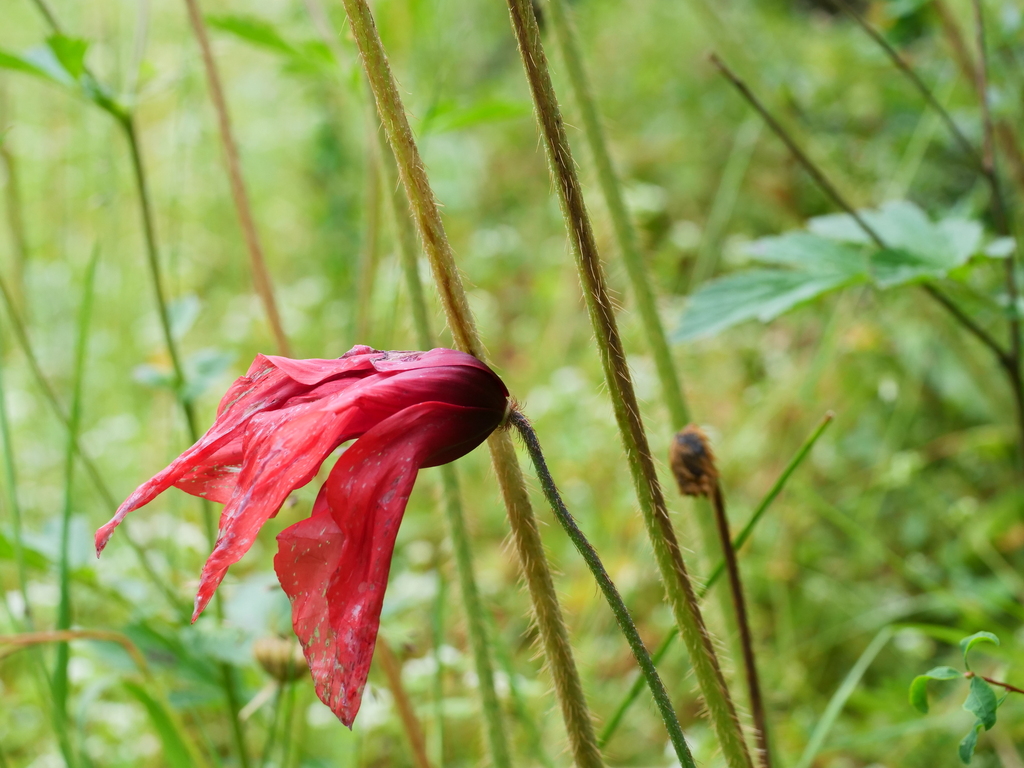
Photo: Jiao Sun (孙娇), CC BY, via iNaturalist. Photographed in the wild in Ngaba (Ch: Aba) County, Amdo. A rare red member of the blue-poppy family, with hanging crimson petals, found only in the north-east of the plateau.
IUCN Red List: NE Not evaluated, IUCN Red List
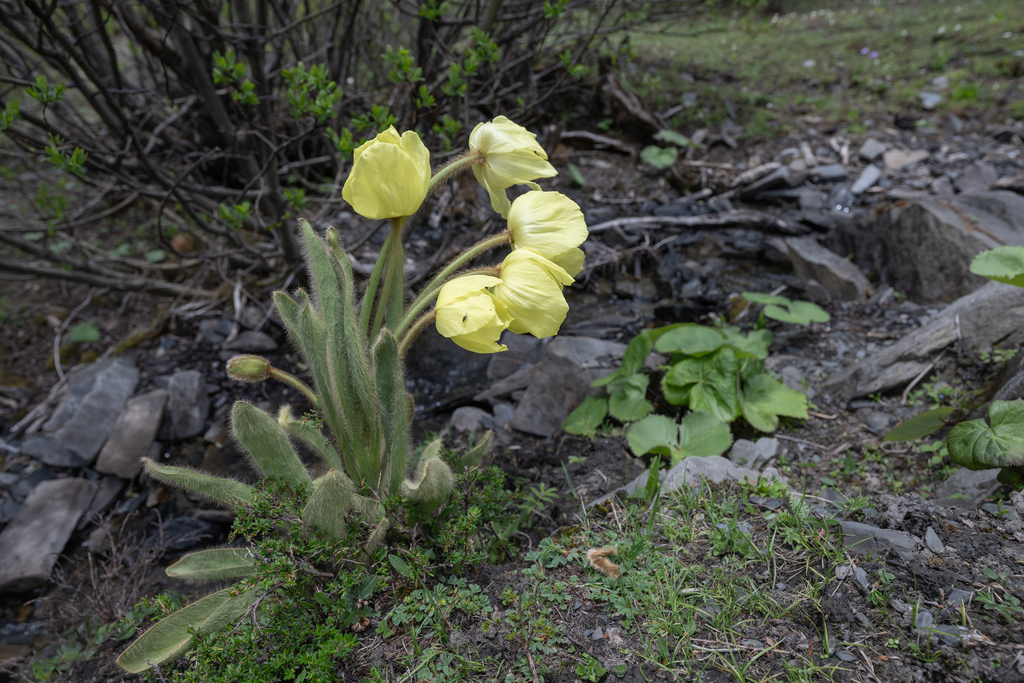
Photo: Morten Ross, CC BY, via iNaturalist. Photographed in the wild in Chaktreng (Ch: Xiangcheng) County, Kham. A big, pale-yellow poppy with golden-haired leaves, the 'yellow utpala' of Tibetan medical texts.
IUCN Red List: NE Not evaluated, IUCN Red List
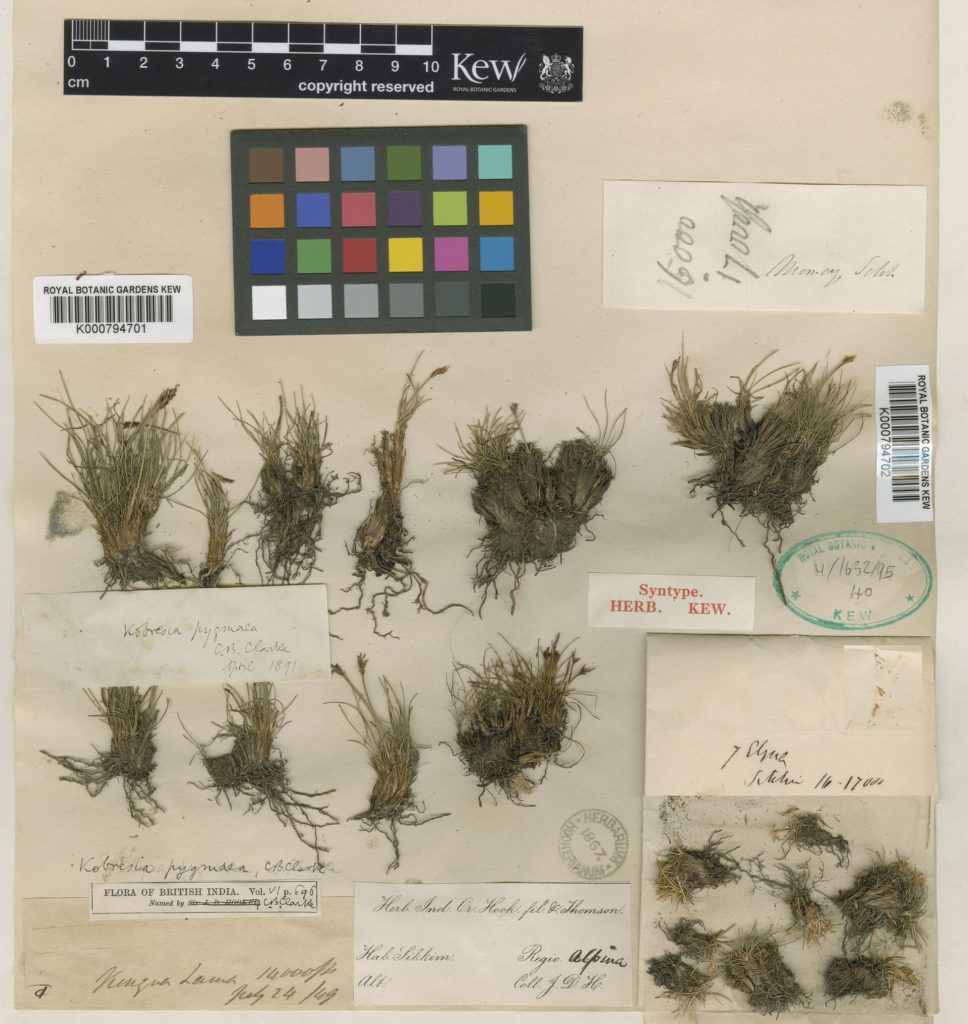
Grasses and sedges 3 Photo: Royal Botanic Gardens, Kew (herbarium specimen), CC BY 4.0, via Wikimedia Commons A tiny sedge, only a few centimetres high, that forms a tough turf over huge areas of the eastern plateau.
IUCN Red List: NE Not evaluated, IUCN Red List
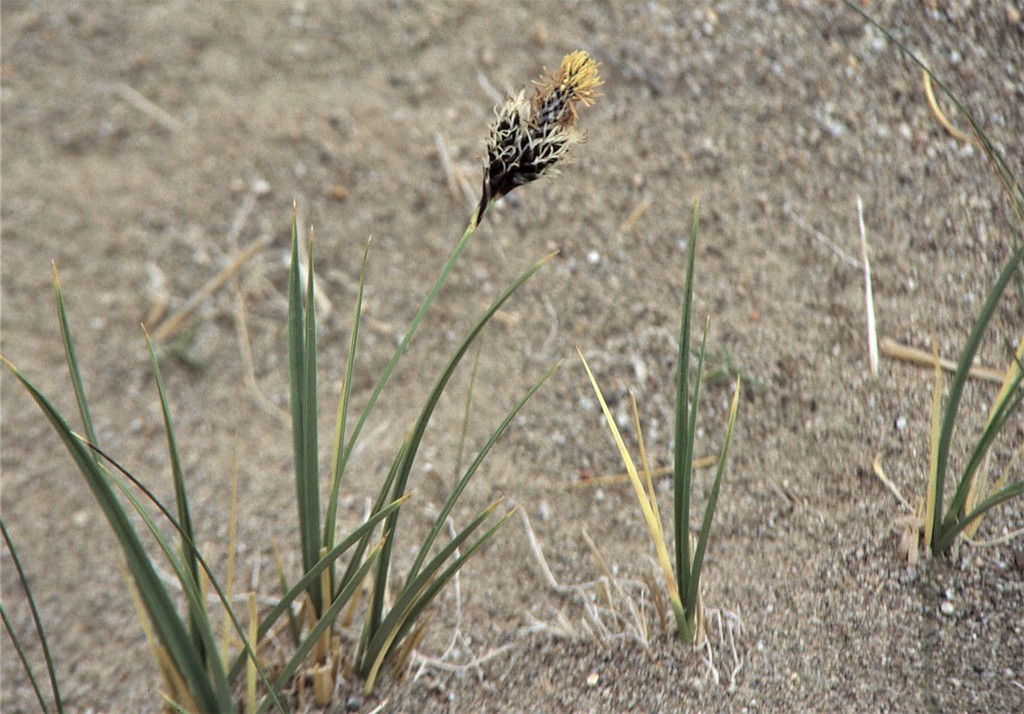
Photo: Peter L Achuff, CC BY, via iNaturalist. Photographed in 1986 in Ruoqiang County, on the northern edge of the plateau. A tough sedge of the dry alpine steppe and one of the main plants of the Changtang grasslands.
IUCN Red List: NE Not evaluated, IUCN Red List
The dominant grass of the alpine steppe, the pasture that feeds Tibet's nomads' herds and the chiru, kiang and wild yak.
IUCN Red List: NE Not evaluated, IUCN Red List
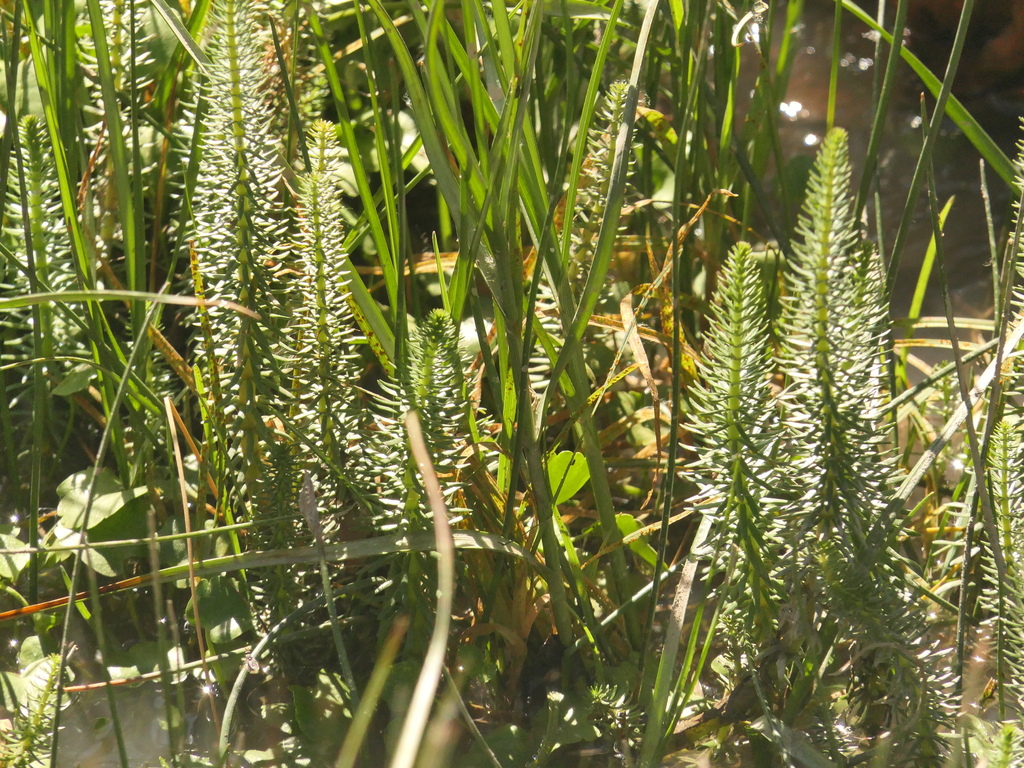
Wetland plants 1 Photo: Sagnik Dutta Roy, CC BY, via iNaturalist. Photographed in the wild at Shey, Ladakh. An upright water plant that forms green 'forests' in the shallow lakes and bogs of the plateau, up to 5,000 m.
IUCN Red List: LC Least concern, IUCN Red List 2014
Shrubs 4 Photo: Morten Ross, CC BY, via iNaturalist. Photographed in the wild in Dechen (Ch: Deqen), Kham. An extremely spiny, shaggy shrub that forms thickets on high slopes and at forest edges.
IUCN Red List: NE Not evaluated, IUCN Red List
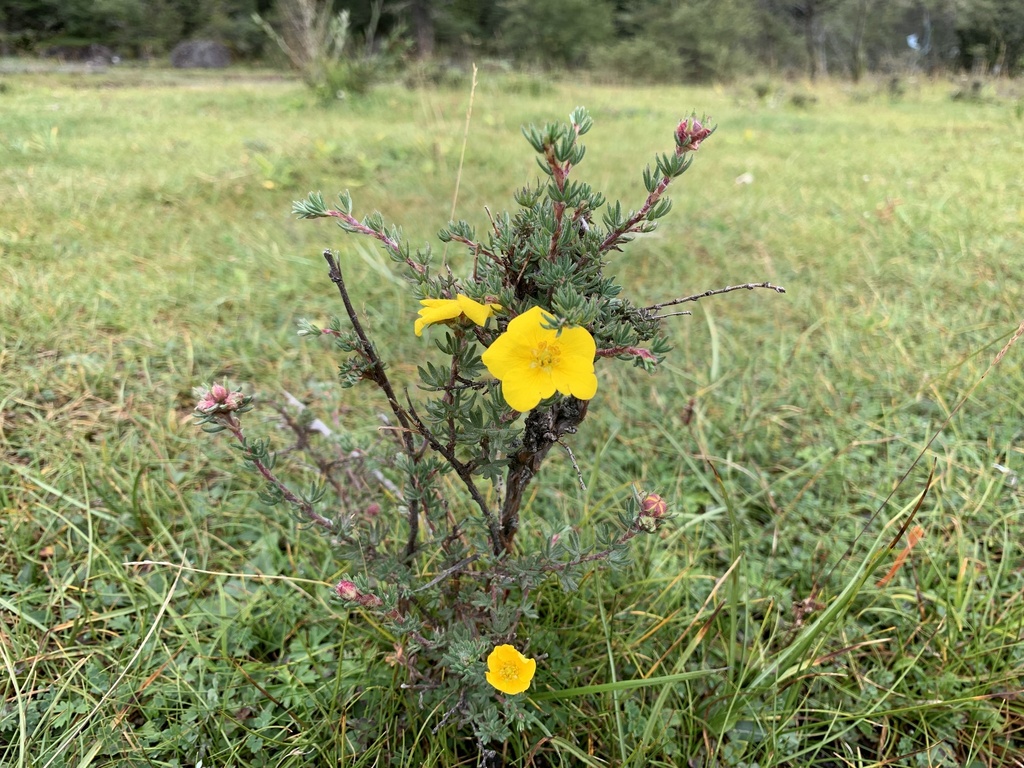
Photo: TonyT, CC BY, via iNaturalist. Photographed in the wild in Nyingtri (Ch: Nyingchi), Kongpo. A low yellow-flowered shrub common on plateau slopes, forest edges and alpine meadows.
IUCN Red List: NE Not evaluated, IUCN Red List
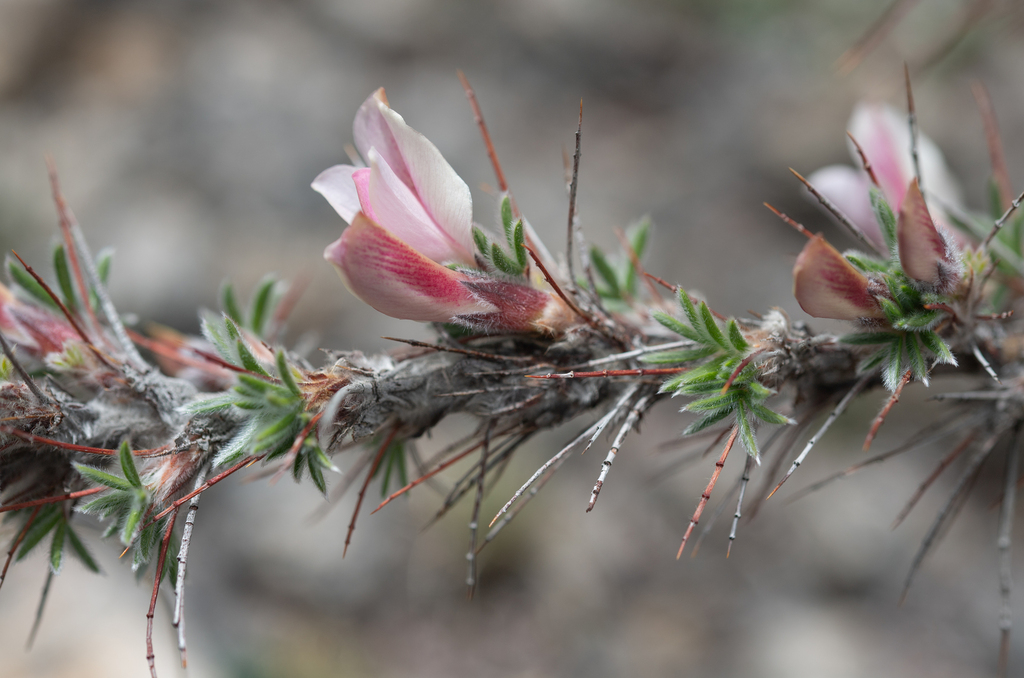
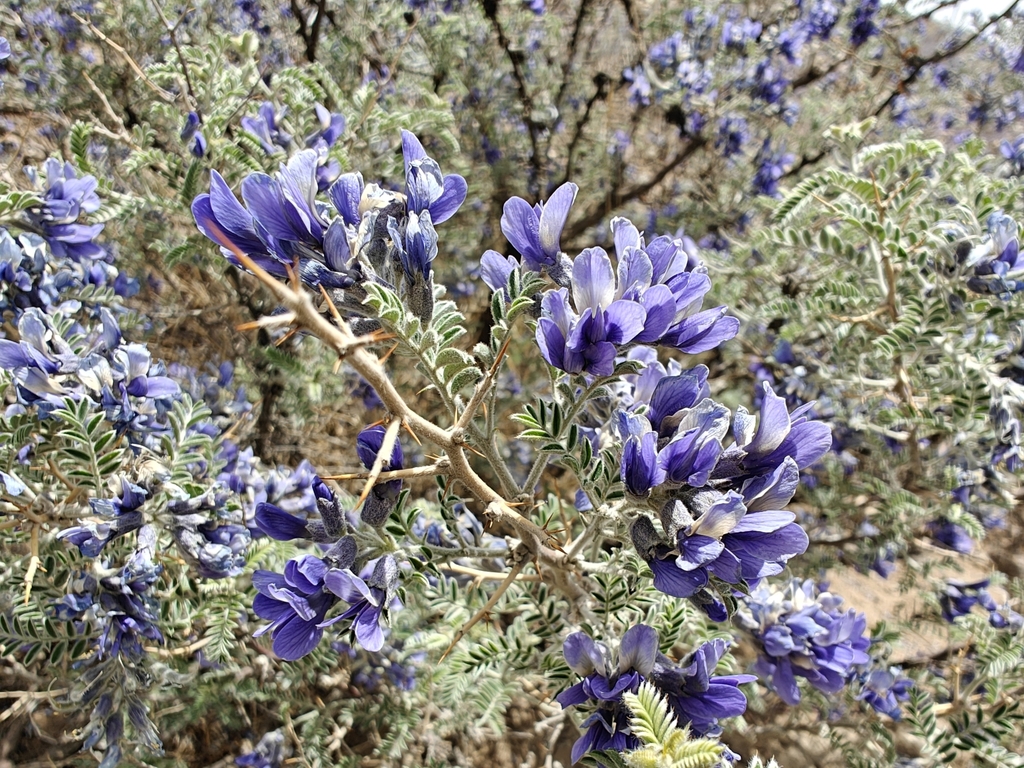
Photo: Jiao Sun (孙娇), CC BY, via iNaturalist. Photographed in the wild in Nyemo County, west of Lhasa, Ü-Tsang. A grey, spiny shrub with violet-blue flowers that binds the sand dunes of the Yarlung Tsangpo valley.
IUCN Red List: NE Not evaluated, IUCN Red List
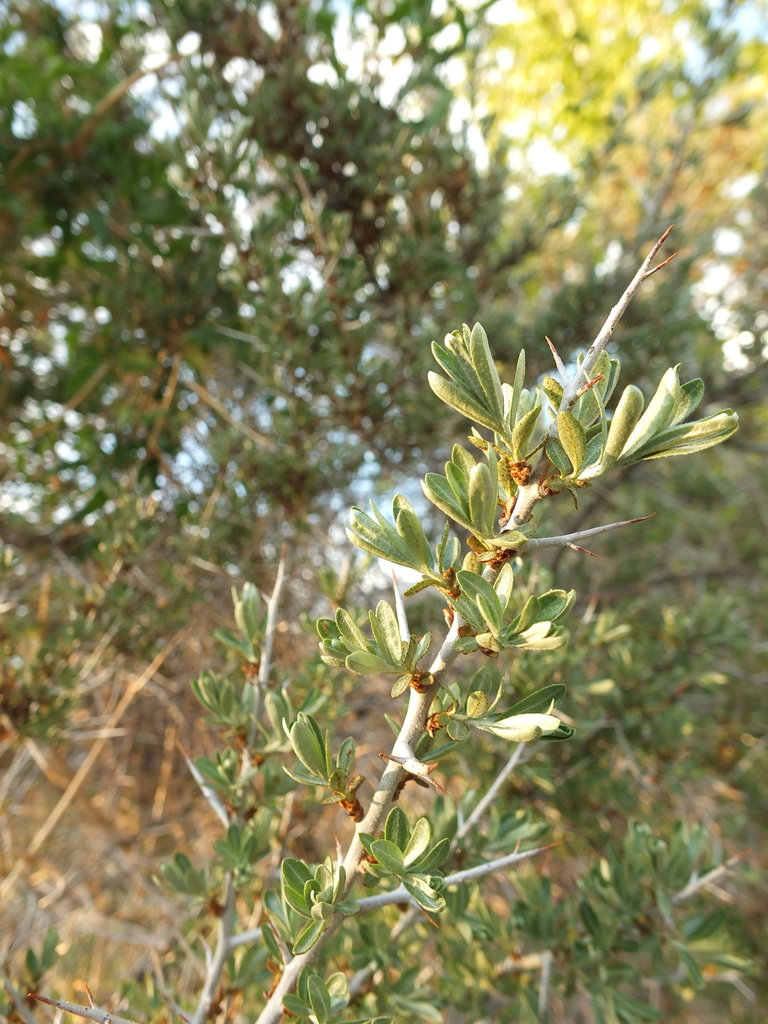
Photo: Siddarth Machado, CC BY, via iNaturalist. Photographed in the wild in Kinnaur, Himachal Pradesh, India. A dwarf, thorny sea-buckthorn of high river gravels, whose sour orange berries are used in Tibetan medicine.
IUCN Red List: NE Not evaluated, IUCN Red List
Sources & References for all of Understanding Tibet