
Tibetan antelope (chiru) Pantholops hodgsonii
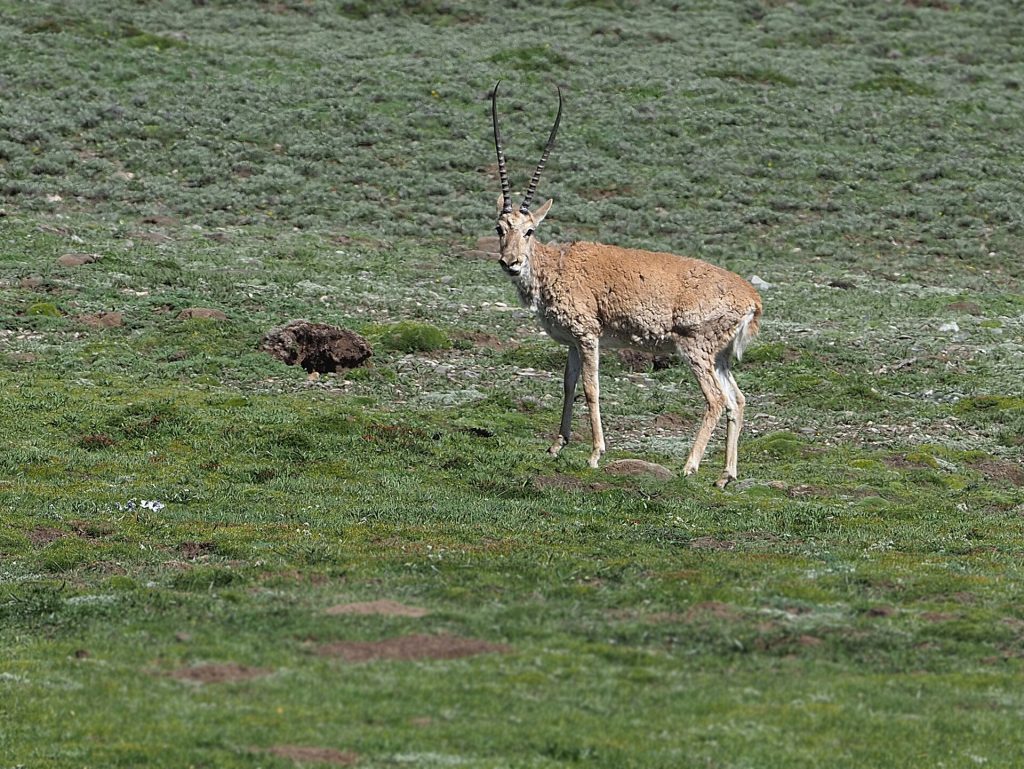

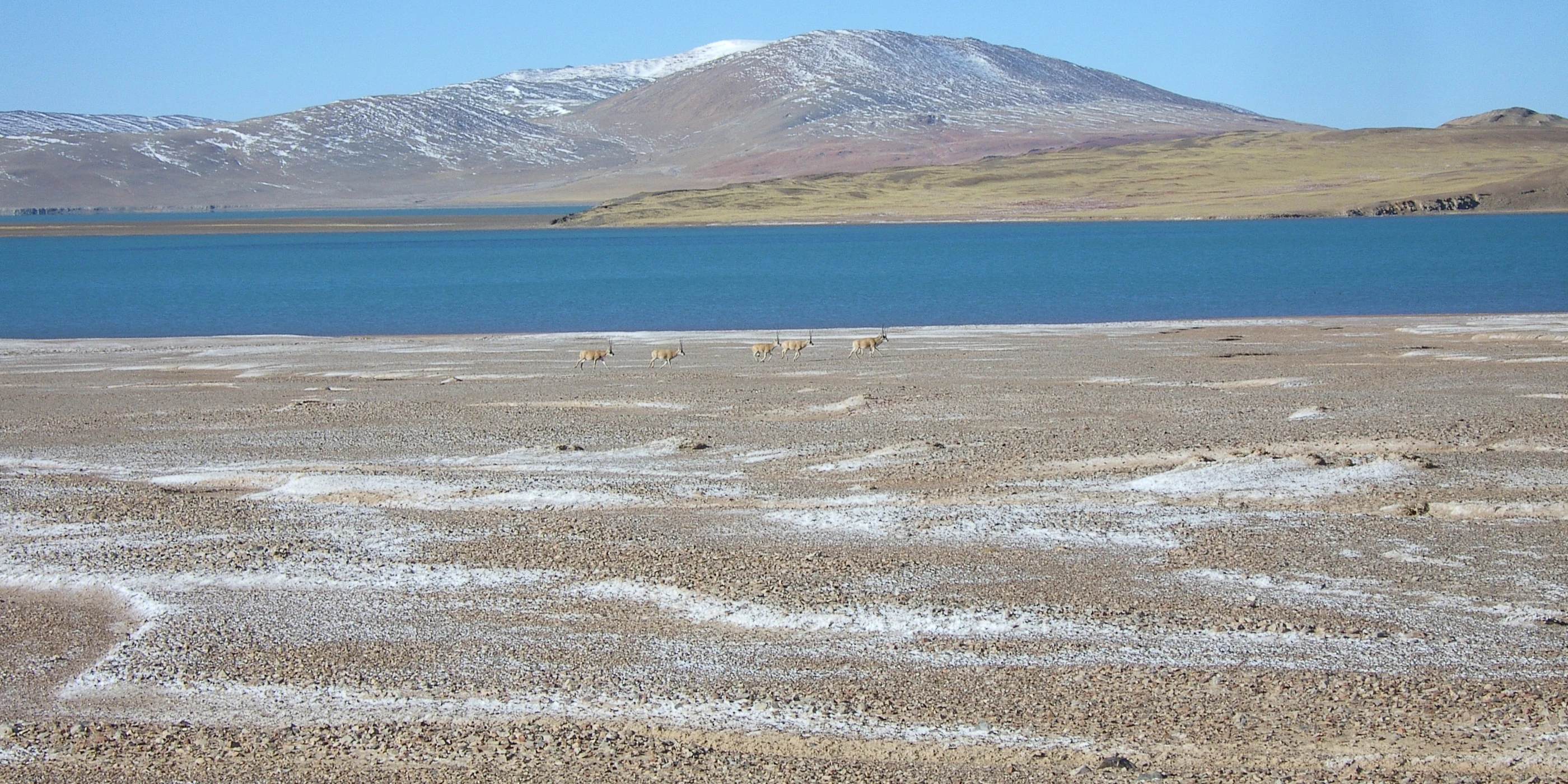
The chiru is the antelope of the Changtang, famous for its long migrations to calving grounds and for the fine underwool that nearly drove it to extinction.
The Tibetan Plateau is home to animals and plants found nowhere else: the chiru of the Changtang, the wild yak, the black-necked crane, the snow lotus and the caterpillar fungus. Tibetan Buddhist respect for life protected them for centuries. Under the occupation they face poaching, fenced grasslands, poisoning campaigns, dams, mines, roads and the removal of the nomads who lived alongside them. Each profile gives the species' IUCN Red List status with the year it was assessed.
The chiru is the antelope of the Changtang, famous for its long migrations to calving grounds and for the fine underwool that nearly drove it to extinction.
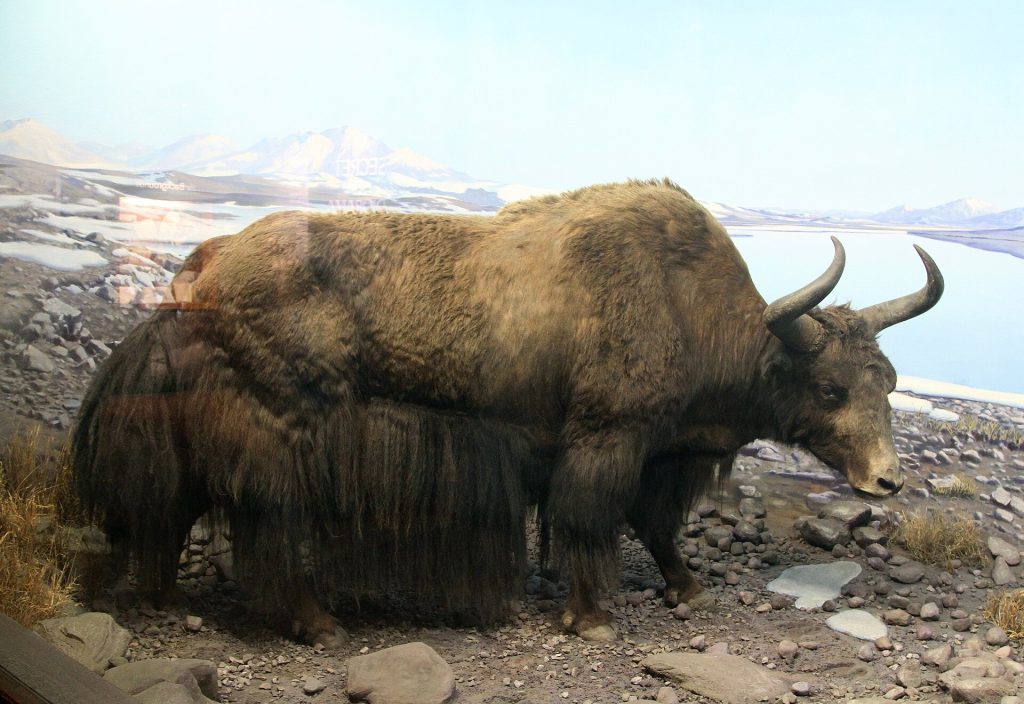
The wild ancestor of the Tibetans' domestic yak, much larger and dark, now surviving in the remotest parts of the northern plateau.
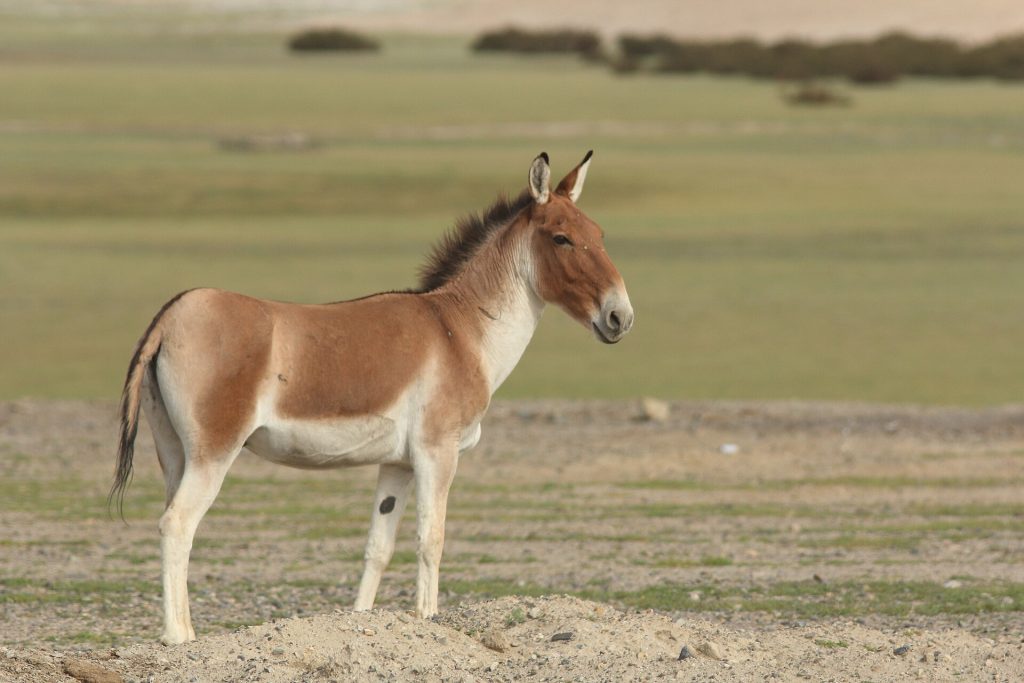
The largest wild ass in the world, a chestnut and white animal often seen in herds on the open steppe.
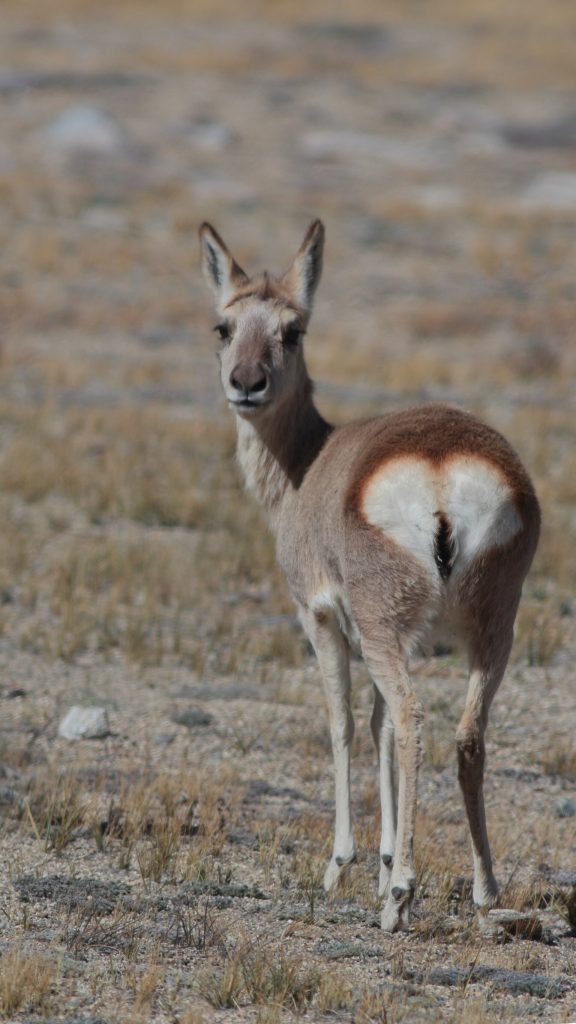
A small, grey-brown gazelle with a white, heart-shaped rump patch, found across the plateau.
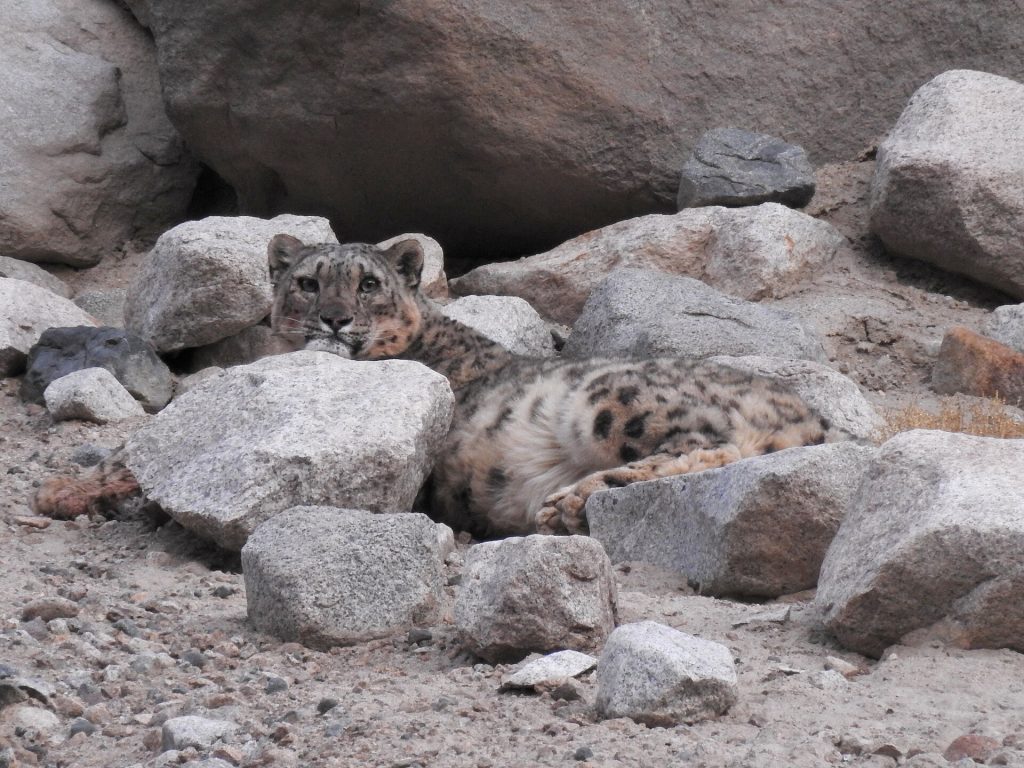
The elusive great cat of the high mountains, honoured in Tibetan tradition and found on ranges across the plateau.
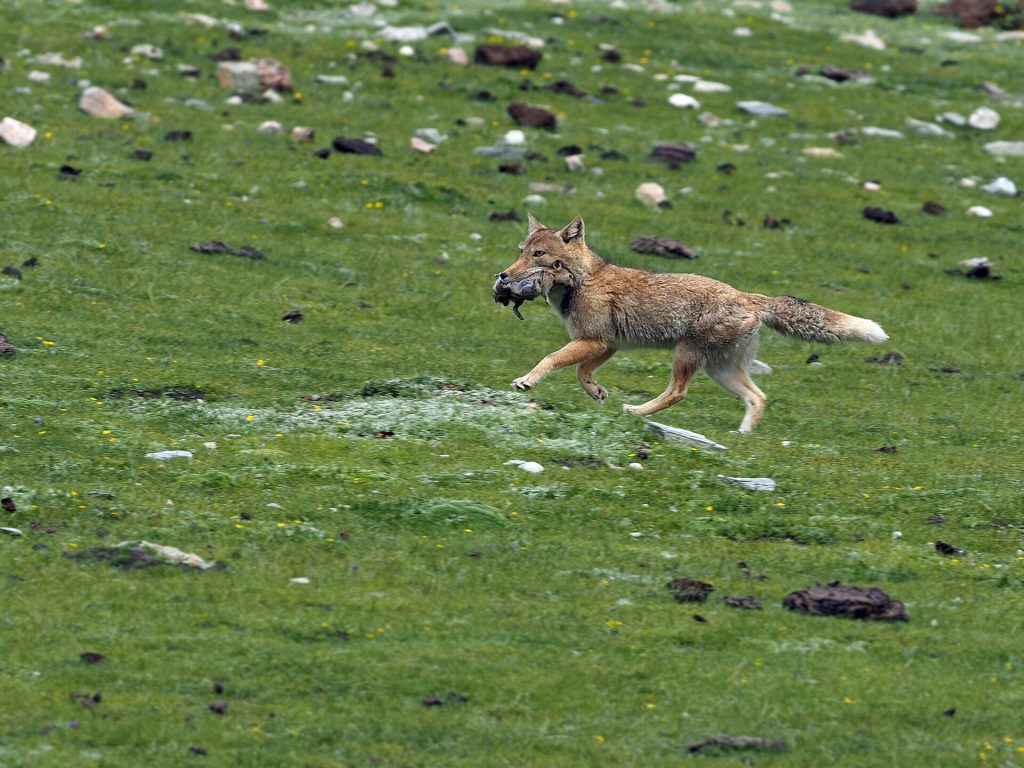
A small fox with a square-looking face, found almost only on the Tibetan Plateau.
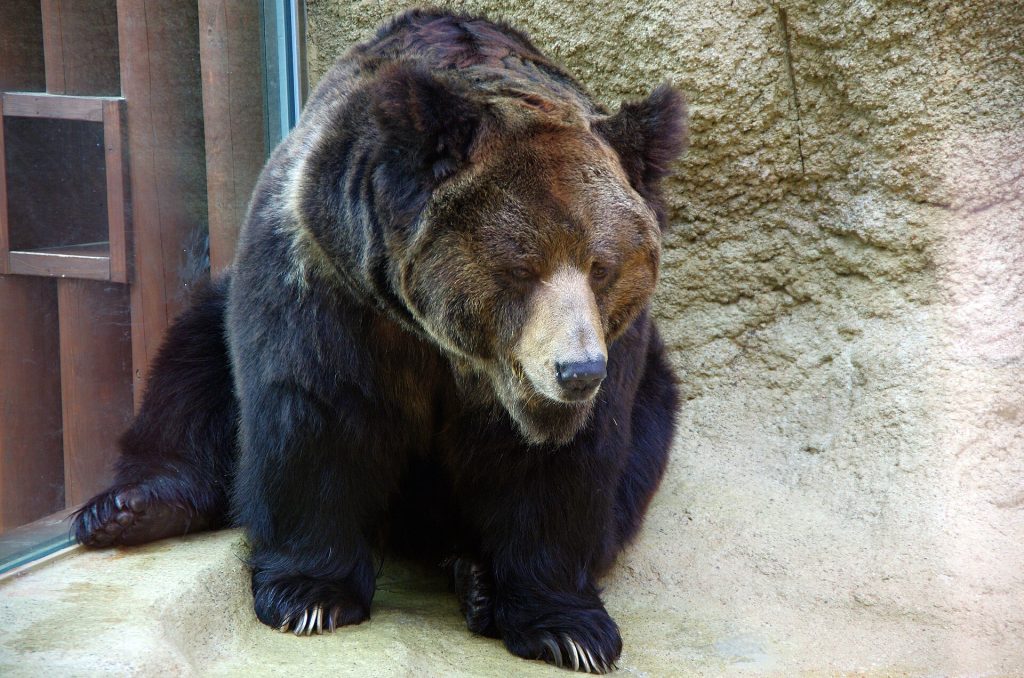
A rarely seen brown bear of the plateau, known to Tibetans as the dremong.
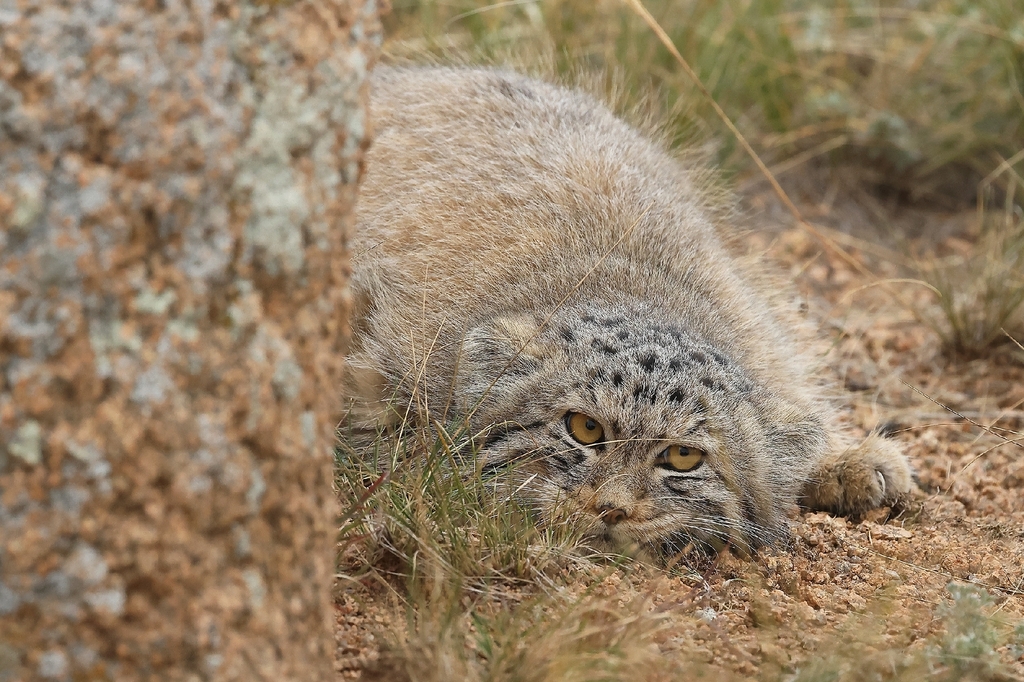
A small, stocky wild cat with dense fur, adapted to cold, open country.
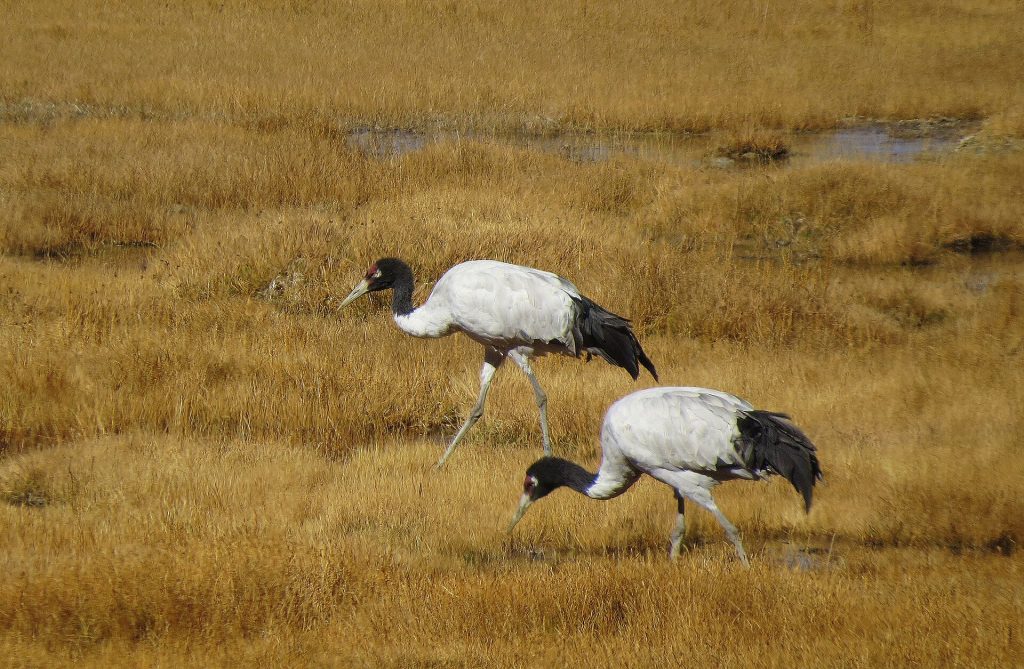
The only crane that lives its whole life on high plateaus; it breeds in Tibet's wetlands and is honoured in Tibetan song and religion.


