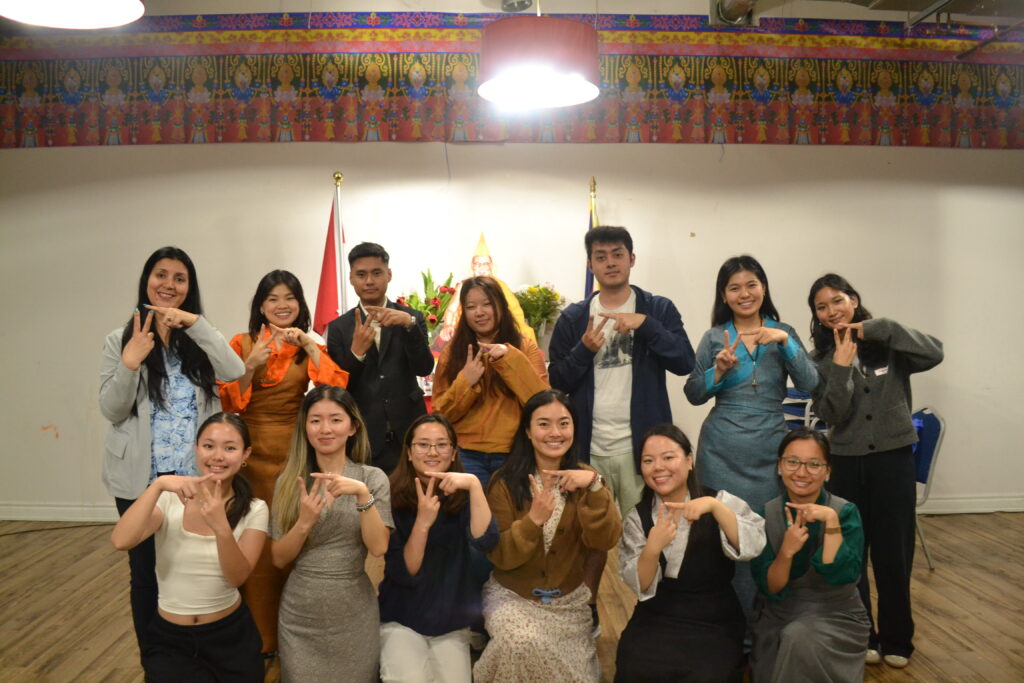
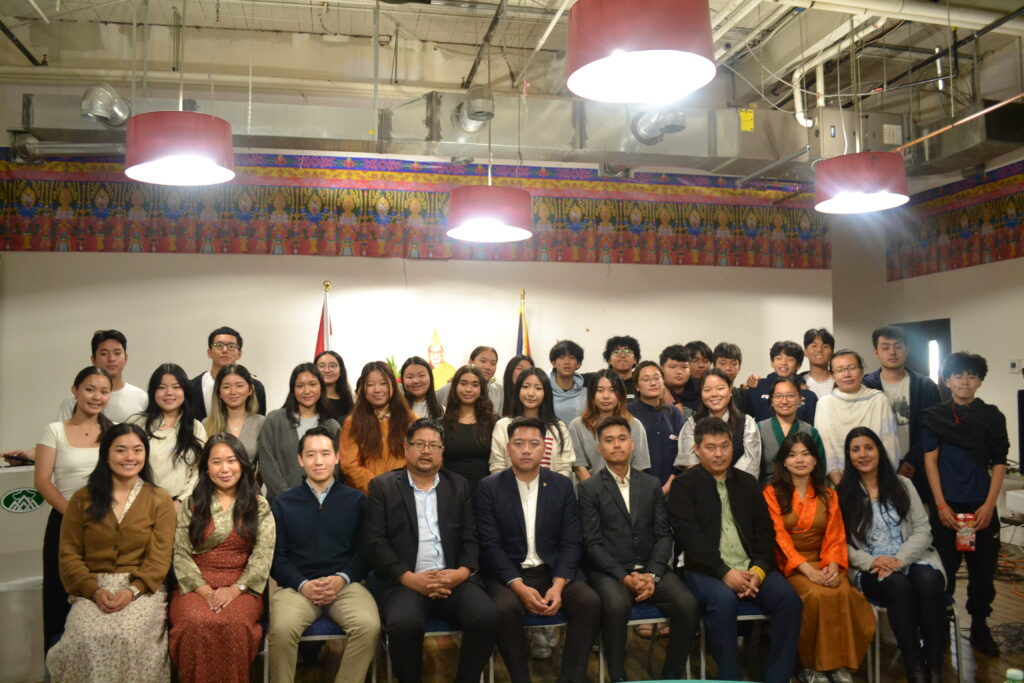
The Voluntary Tibet Advocacy Group (V-TAG) Canada organised a two-day advocacy capacity-building workshop at the Tibetan Canadian Cultural Centre, bringing together approximately 40 Tibetan youth advocates from diverse backgrounds. The programme equipped participants with practical advocacy skills, introduced them to Canada’s parliamentary system, and prepared them for direct engagement with elected representatives.
The workshop was followed by a parliamentary lobbying initiative in Ottawa on 10 June 2024, undertaken in collaboration with Tibetan organisations, including the Regional Tibetan Youth Congress and Students for a Free Tibet. Together, these activities provided young Tibetans with opportunities to develop their advocacy capabilities, strengthen their understanding of political engagement, and communicate concerns relating to Tibet to Canadian parliamentarians.
Expert-Led Training on Advocacy and International Discourse
The workshop was overseen by Representative Dr Namgyal Choedup and Chinese Liaison Officer Tsultrim Gyatso from the Office of Tibet in Washington, alongside Tenzin Kunkhen of the Tibet Advocacy Section, Department of Information and International Relations (DIIR).
Dr Tashi Rabgay, Research Professor of International Affairs at the Elliott School, opened the programme with a presentation on the importance of discourse in shaping international understanding of Tibet. She explored how the language and frameworks used to discuss Tibet influence public perceptions and how Tibetan perspectives are represented in international forums. Her presentation also addressed questions concerning Tibet’s historical, political, and demographic context. Participants engaged actively in the discussion and raised questions following the session.
Phuntsok Wangmo, Constituency Assistant in the office of the Honourable Arif Virani, subsequently introduced participants to the Canadian parliamentary system. Her presentation explained the role of the Parliamentary Friends of Tibet and outlined avenues through which advocates can communicate with elected representatives and engage with parliamentary institutions.
Learning the Practicalities of Parliamentary Lobbying
Gaphel Khongtsa, Director of International Policy at the Canadian Chamber of Commerce, shared insights into lobbying and his professional experience as a Tibetan Canadian living in Ottawa. He discussed how business interests and advocacy objectives can intersect and offered practical guidance on preparing for meetings with Members of Parliament, presenting concerns clearly, and building constructive relationships with political representatives.
In the afternoon, Sherap Therchin, Executive Director of the Canada Tibet Committee, led a session examining lobbying within the Canadian government in greater detail. Participants were subsequently divided into four groups for hands-on exercises and role-play activities designed to refine their advocacy messages and prepare them for the following day’s parliamentary engagements.
The practical sessions allowed participants to apply the concepts introduced during the workshop, develop confidence in communicating with elected officials, and gain experience in presenting Tibet-related concerns in a structured and effective manner.
The workshop concluded with participants reaffirming their commitment to continued advocacy and highlighting the value of similar capacity-building opportunities for young Tibetans. V-TAG Canada played a central role in coordinating the programme and supporting participants throughout the training.
V-TAG Canada Engages Canadian Parliamentarians
On 10 June 2024, V-TAG Canada joined Tibetan community organisations, including the Regional Tibetan Youth Congress and Students for a Free Tibet, for a lobbying initiative at Parliament Hill in Ottawa.
During the visit, V-TAG Canada members met with Alexis Brunelle-Duceppe of the Bloc Québécois and Ziad Aboultaif, Conservative Member of Parliament for Edmonton Manning. The delegation expressed appreciation for their support for Tibet, briefed them on pressing issues affecting Tibetans, and requested continued engagement and assistance.
The meetings provided participants with an opportunity to put their training into practice by engaging directly with elected representatives. The discussions also highlighted the importance of maintaining communication with parliamentary offices and building relationships that support continued dialogue on Tibet-related issues.
The Canadian Tibet Committee and the Tibetan Canadian Cultural Centre facilitated the visit to Parliament Hill and the meetings with Members of Parliament, helping connect the youth delegation with established advocacy and community networks.
“Tibetan on the Hill” Brings Together Parliamentarians and the Tibetan Community
The day’s programme concluded with “Tibetan on the Hill,” an event organised by the Canadian Parliamentary Friends of Tibet. The gathering brought together Members of Parliament, parliamentary staff, Tibet supporters, representatives of the Canadian Tibet Committee, Tibetan community members, and young Tibetan advocates.
The event provided a platform for dialogue between parliamentarians and the Tibetan community, allowing participants to discuss Tibet-related concerns, acknowledge the contributions of supporters, and strengthen connections between elected representatives and community advocates.
Tibetan interns working at Parliament Hill organised the gathering, demonstrating another dimension of youth participation within Canada’s parliamentary environment. The event also provided an opportunity for Tibetans to express their appreciation to parliamentarians and supporters who have engaged with issues concerning Tibet.
Investing in the Next Generation of Tibetan Advocates
The combination of expert-led training, practical exercises, and direct parliamentary engagement marked an important capacity-building initiative for V-TAG Canada. By equipping young Tibetans with knowledge of political institutions and practical lobbying skills, the programme sought to strengthen their ability to participate in public dialogue and communicate Tibet-related concerns effectively.
The collaboration between V-TAG Canada, Tibetan community organisations, and established advocacy groups demonstrated the value of coordinated efforts in developing youth leadership. Through continued training, community participation, and engagement with elected representatives, V-TAG Canada aims to support a generation of informed and capable advocates prepared to contribute to Tibet-related discussions in Canada and internationally.